If you’ve ever worked on a construction, renovation, or industrial ventilation project, you’ve probably wondered about the best materials for exhaust systems. As a PVC air duct supplier, I hear this question constantly: Can PVC air ducts actually be used for exhaust systems? The answer isn’t a simple yes or no—it depends on what you’re exhausting, your system’s operating conditions, and the details of the PVC product you choose. Over the years, I’ve walked countless contractors, HVAC technicians, and small business owners through this decision, and today I’m breaking down the science, the use cases, and the common pitfalls to help you make the right choice. PVC Air Duct
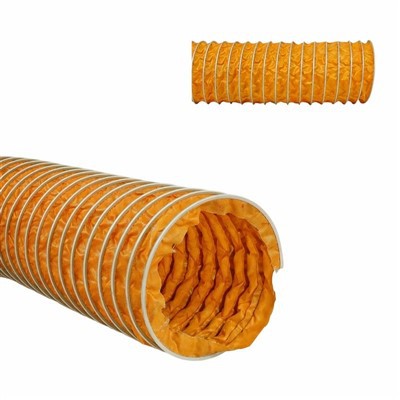
First, let’s start with what makes PVC (polyvinyl chloride) a popular material for air ducts in general. PVC is lightweight, affordable, corrosion-resistant, and easy to cut and install—attributes that make it a go-to for supply ducts, low-pressure circulation systems, and even some residential exhaust applications. But exhaust systems have different demands than supply ducts: they move air away from occupied spaces, often carry moisture, fumes, heat, or particulates, and operate under specific pressure and temperature conditions that can challenge less durable materials.
To answer whether PVC works for exhaust, let’s dig into the science of PVC performance first. PVC is a thermoplastic polymer, meaning its physical properties change with temperature. Standard schedule 40 PVC pipe (the most common type used for ducts in many cases) has a continuous operating temperature limit of about 140°F (60°C). Beyond that, it softens, loses structural rigidity, and can warp or even melt if exposed to sustained high heat. That’s a critical detail because many exhaust systems—like those for commercial kitchens, welding shops, or industrial furnaces—can easily hit temperatures well above 140°F. If you’re venting hot fumes from a bakery oven or a metal fabrication station, PVC is almost never the right pick.
Another key factor is chemical resistance. Not all exhaust fumes are the same, and PVC’s resistance to chemicals is limited. It stands up well to mild, non-corrosive moisture—think bathroom exhaust or laundry room venting—but it breaks down when exposed to strong acids, bases, or hydrocarbon fumes. For example, venting exhaust from a chemical processing plant, a garage with gasoline fumes, or a auto body shop with paint thinners? Those hydrocarbons can cause PVC to become brittle over time, leading to cracks and leaks. The same goes for acidic fumes from swimming pool ventilation or restaurant exhaust that carries food grease mixed with mild acids. Even something as common as laundry lint buildup mixed with moisture can accelerate degradation if the PVC isn’t designed to handle that combination.
That said, there are plenty of exhaust applications where PVC air ducts perform perfectly. Let’s walk through the scenarios where I recommend PVC for exhaust, and why it makes sense there.
First, residential and light commercial exhaust for low-temperature, low-fume uses. Bathroom exhaust fans, laundry room vents, kitchen hoods that only move ambient-temperature air and mild moisture, and ventilation for small offices with no heavy fumes or heat are all ideal fits. In these cases, exhaust air typically runs at 80°F to 120°F, well under PVC’s 140°F limit, and the only byproducts are mild moisture and small amounts of lint—neither of which corrode or degrade standard PVC. For these applications, PVC’s benefits are hard to beat: it’s cheaper than galvanized steel or flexible aluminum ducts, it resists rust (a huge plus in damp bathrooms), and it’s much less likely to trap mold than porous materials like fiberglass ducts.
Another underrated use case is indoor air quality ventilation for spaces that don’t have harsh exhaust loads. Many small businesses, schools, and residential basements use exhaust systems to pull out stale, carbon-dioxide-rich air, and in these cases, PVC works seamlessly. Because it’s smooth and non-porous, it doesn’t harbor bacteria or allergens the way some duct materials do, and its low weight cuts down on installation time and structural support needs. I’ve had a lot of clients with small commercial gyms or home offices switch to PVC for their exhaust systems and report no issues over 5+ years of use.
Even some industrial exhaust systems can use PVC—if they’re low-temperature and low-chemical. For example, venting exhaust from a packaging facility that uses mild, water-based adhesives, or a warehouse that needs general air exchange without heavy fumes, PVC is a solid choice. The key here is to match the PVC type to the application: I always recommend schedule 40 rigid PVC for these uses, as it has thicker walls than thinner schedule 20, so it holds up better to minor pressure fluctuations and occasional contact with moisture. Flexible PVC duct, on the other hand, is usually not a good fit for exhaust—its thin walls are more prone to tearing, lint buildup, and collapse, even in low-load applications.
Now, it’s just as important to cover the times when PVC should never be used for exhaust. As I mentioned earlier, high-temperature exhaust is a hard no. If your exhaust air regularly exceeds 140°F, stick to galvanized steel, stainless steel, or polypropylene ducts—those materials can handle heat up to 200°F or higher, depending on the type. Kitchen exhaust for restaurants is a classic example: commercial kitchen hoods can move air that’s 200°F to 300°F, plus grease fumes that ignite easily. PVC is highly flammable when heated to its flash point (around 730°F, but it will release toxic fumes well before that), so it’s a fire hazard in these systems. That’s why building codes in most regions prohibit PVC for commercial kitchen exhaust, even if the temperature was in range—grease buildup alone makes the fire risk too high.
Another time to skip PVC is when your exhaust carries corrosive chemicals or heavy particulates. Welding shops, for example, produce metal dust and acidic fumes from flux, both of which eat away at PVC over time. Industrial paint booth exhaust, which has solvent fumes and paint particles, also breaks down PVC’s structure, leading to leaks and system failure. In these cases, HDPE (high-density polyethylene) duct is a better alternative—it’s more resistant to harsh chemicals than standard PVC, though it’s still not a perfect fit for the most extreme industrial exhaust loads.
I also often see contractors make the mistake of using unlisted PVC duct for exhaust systems that require fire-rated materials. Many local building codes mandate fire-resistant ductwork for vertical runs, or for ducts that pass through walls or ceilings. Standard PVC isn’t fire-rated, so using it here can lead to failed inspections and unsafe conditions. If you need a fire-rated material for your exhaust system, look for PVC duct that’s labeled as fire-rated, or opt for a different material entirely if the load is high.
One common misconception I want to clear up: PVC air ducts for exhaust don’t just fail because of temperature or chemicals—poor installation can cause issues too. Even if you pick the right PVC for your application, improper sealing or insufficient support can lead to leaks. Exhaust leaks not only waste energy but can pull unwanted air or fumes into occupied spaces, lowering indoor air quality. I always advise my customers to use PVC cement specifically rated for ductwork (not just general PVC cement) to create airtight joints, and to support rigid PVC ducts every 4 to 6 feet to prevent sagging, which can trap moisture and debris inside.
Over the years, I’ve had customers come to me after switching from other materials to PVC for their exhaust systems, and the feedback has been great for the right use cases. For example, a small café owner I worked with last year was using flexible aluminum duct for their laundry room exhaust, which was tearing after 18 months and letting lint and moisture leak into their ceiling. We swapped it for 4-inch schedule 40 PVC duct, and two years later, they’ve had zero issues. The same goes for a local school’s basement ventilation: their old galvanized steel duct was rusting from constant moisture, and PVC has held up perfectly for three years now with no corrosion.
If you’re still unsure whether PVC is right for your exhaust system, here’s a quick checklist to run through:
- What temperature is your exhaust air? If it’s consistently below 140°F, you’re in PVC’s operating range.
- What’s in your exhaust? If it’s mild moisture and no strong chemicals, fumes, or heavy grease, PVC is a good fit.
- Is this a commercial kitchen, industrial space with heavy fumes, or a high-temperature application? If yes, skip PVC.
- Do local building codes allow PVC for your specific exhaust use? Always check your local codes before making a final decision.
At the end of the day, PVC air ducts are not a one-size-fits-all solution for exhaust systems. But when used in the right applications—residential bathrooms, laundry rooms, light commercial ventilation, low-heat, low-fume industrial general exhaust—they’re a cost-effective, durable, and easy-to-install choice. As a PVC air duct supplier, I’ve seen first-hand how the right material can make a project go smoothly, while the wrong one leads to headaches and extra costs down the line.
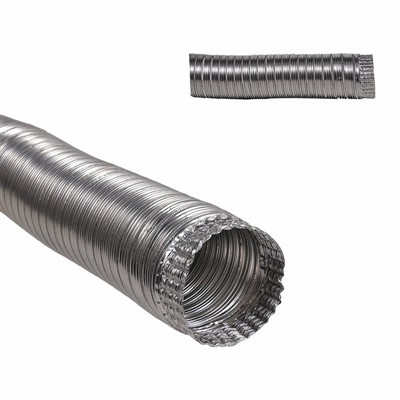
If you’re evaluating PVC for your exhaust system and need more guidance, or you’re ready to order the right duct for your project, feel free to reach out to our team to discuss your specific needs and get a custom quote. We’re here to help you pick the right product that meets your performance requirements and budget.
PVC Air Duct References
ASHRAE Handbook—HVAC Applications, Chapter 21: Duct Design and Materials, American Society of Heating, Refrigerating and Air-Conditioning Engineers.
International Residential Code (IRC) Section M1601: Duct Materials and Construction, International Code Council.
PVC Pipe and Duct Performance Standards, ASTM International Standard D1784: Standard Specification for Rigid Polyvinyl Chloride (PVC) Compounds.
Dongyang Hstube Co., Ltd.
As one of the leading PVC air duct manufacturers and suppliers in China, we warmly welcome you to wholesale cheap PVC air duct for sale here from our factory. If you have any enquiry about free sample, please feel free to email us. Quality products and reasonable price are available.
Address: NO.5 CHENGDONG ECOLOGICAL INDUSTRIAL ZONE, DONGYANG, ZHEJIANG, CHINA.
E-mail: sales@hstube.com
WebSite: https://www.ductword.com/
