Okay, so I’m in the business of supplying brick mesh. And one question that comes up a lot is, "What’s the UV resistance of a brick mesh?" Let’s dig into this topic and break it down. Brick Mesh
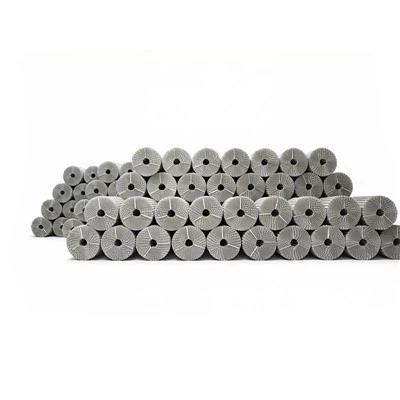
First off, what’s brick mesh anyway? Well, it’s a type of mesh that’s used in construction, mainly to reinforce brickwork. It helps to hold everything together, making the structure more stable and less likely to crack. You can find it in all sorts of buildings, from small houses to big commercial structures.
Now, onto UV resistance. UV, or ultraviolet, rays come from the sun. They’re invisible to our eyes but can have a big impact on materials over time. When materials are exposed to UV rays, they can start to break down. This is called UV degradation. It can make the material weaker, change its color, and reduce its overall performance.
So, for brick mesh, UV resistance is super important, especially if it’s going to be used in outdoor applications. If the mesh doesn’t have good UV resistance, it could start to deteriorate when exposed to sunlight. This would mean the mesh wouldn’t be able to do its job properly, and the brickwork it’s supposed to reinforce could be at risk.
There are different factors that affect the UV resistance of brick mesh. One of the main ones is the material it’s made from. Most brick meshes are made from either metal or plastic.
Let’s start with metal brick meshes. Metals like steel are pretty tough and can handle a fair amount of UV exposure. Steel is naturally resistant to many environmental factors, including UV rays. However, it’s not completely immune. Over time, the UV rays can cause the steel to oxidize, especially if it’s not properly coated. Oxidation, or rusting, can weaken the steel and make it less effective as a reinforcement.
To combat this, many steel brick meshes are coated. Galvanizing is a common coating method. It involves applying a layer of zinc to the steel. Zinc acts as a protective barrier, preventing the steel from coming into direct contact with the UV rays and the elements. This helps to extend the lifespan of the mesh and improve its UV resistance.
On the other hand, plastic brick meshes have their own story when it comes to UV resistance. Plastics are generally more susceptible to UV degradation than metals. When plastic is exposed to UV rays, the chemical bonds in the plastic can break down. This can cause the plastic to become brittle, crack, and lose its strength.
But don’t worry, there are ways to make plastic brick mesh more UV resistant. Manufacturers often add UV stabilizers to the plastic during the production process. These stabilizers work by absorbing the UV rays and preventing them from damaging the plastic. They can significantly improve the mesh’s ability to withstand long – term sun exposure.
Another factor that affects UV resistance is the thickness of the mesh. A thicker mesh, whether it’s metal or plastic, generally has better UV resistance. Thicker materials have more mass, which means there’s more material to absorb and disperse the energy from the UV rays. So, if you’re in a place with a lot of sunlight, it might be a good idea to go for a thicker brick mesh.
Now, how can you tell if a brick mesh has good UV resistance? Well, reputable manufacturers usually provide information about the UV resistance of their products. They might do tests to measure how well the mesh holds up under UV exposure. Look for things like UV ratings or test results. If a manufacturer is confident in their product’s UV resistance, they’ll be happy to share this data with you.
Also, you can look at real – world examples. If a particular type of brick mesh has been used in outdoor projects in sunny areas for a long time and still looks and performs well, that’s a good sign that it has decent UV resistance. You can ask around in the construction community, check online forums, or even look at case studies.
As a brick mesh supplier, I know the importance of providing high – quality, UV – resistant products. I’ve seen firsthand how a good brick mesh can make a big difference in a construction project. Whether it’s a small DIY home improvement job or a large – scale commercial build, the right mesh can ensure the longevity and stability of the brickwork.
If you’re in the market for brick mesh, and UV resistance is a concern for you, don’t hesitate to reach out. I can provide you with detailed information about the different types of brick mesh we have, their UV resistance properties, and help you choose the best one for your project. Whether you need a metal mesh for its strength or a plastic mesh for its flexibility, we’ve got options.
In conclusion, understanding the UV resistance of brick mesh is crucial for anyone involved in construction. It can affect the durability and performance of the brickwork, and ultimately, the safety of the building. By choosing a high – quality, UV – resistant brick mesh, you can ensure that your project stands the test of time and the elements.
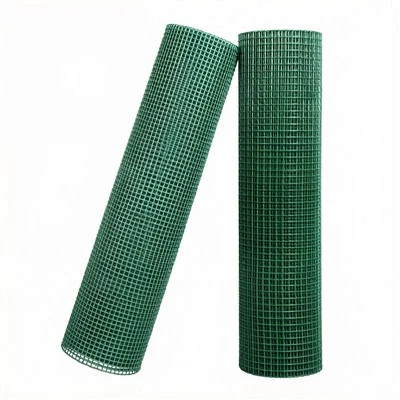
If you’re interested in learning more about our brick mesh products or want to start a purchase negotiation, feel free to get in touch. I’m here to answer all your questions and help you make the best decision for your construction needs.
Filter Mesh References
- Construction Materials Handbook: A Guide to Selection and Use
- Journal of Building and Construction Research on Mesh Reinforcement
- Industry Reports on the Durability of Building Materials under UV Exposure
Hengshui Anbang Road and Bridge Material Co., Ltd.
As one of the most professional brick meshmanufacturers and suppliers in China, we’re featured by quality products and good service. Please rest assured to wholesale bulk customized brick mesh from our factory. For pricelist, contact us now.
Address: Zhaobazhuang Wire Mesh Industrial Park, Shenzhou City, Hengshui City, Hebei Province
E-mail: 857732879@qq.com
WebSite: https://www.cnanbang.com/
