If you’ve ever dug into how a controlled atmosphere (CA) warehouse keeps apples crisp for 12 months, or why your frozen fries don’t get freezer burn for years, you’ve probably wondered: how long do the random parts that make the whole system run actually last? As the owner of a small CA warehouse accessories supply company, I get this question all the time—usually from warehouse managers who are either replacing a broken part mid-harvest panic, or budgeting for next year’s upkeep, and don’t want to drop $500 on a sensor that dies in 6 months. Controlled Atmosphere Warehouse Accessories
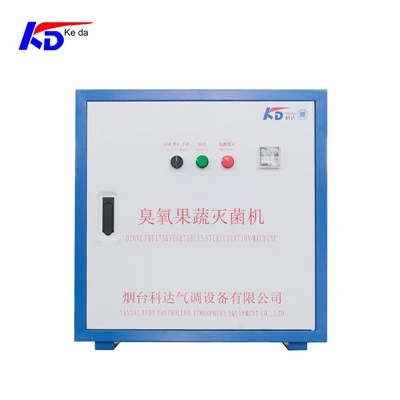
Let’s cut the jargon first, because CA warehouses aren’t some top-secret NASA lab—they’re just temperature-controlled storage spaces where we tweak oxygen, carbon dioxide, and humidity levels to keep fresh produce, pharmaceuticals, and even specialty foods from spoiling. And the accessories? That’s everything that isn’t the big refrigeration unit or the bulk storage walls. We’re talking gas sensors, door gaskets, pressure relief valves, humidity probes, control panel wiring, and even the little filters that keep gas lines clean.
Now, lifespan isn’t one-size-fits-all here. A lot of people think all CA parts last forever if you “just clean them,” but trust me—if you leave a CO2 sensor sitting in a warehouse where a forklift spills hydraulic fluid on it, it’s not going to make it a year. I’ve seen this play out way too many times to count. Let’s break down each type of accessory, how long they actually run, and what kills them faster than overripe peaches.
First up, the workhorses: gas sensors. These are the ones measuring O2, CO2, ethylene, and sometimes nitrogen levels 24/7. The good news here is that most quality sensors (the ones we sell, by the way) have a rated lifespan between 3 and 7 years. But wait—3 years if you mount it right next to a loading dock where dust and temperature swings jump 20 degrees every time a door opens. 7 years if it’s tucked away in a climate-controlled part of the warehouse, no direct sunlight, and you calibrate it once every 6 months like the instruction manual says. The big kill for sensors isn’t age—it’s drift. After a few years, their reading gets off, and if you don’t recalibrate, you might accidentally let O2 levels drop too low and ruin a whole bin of cherries. Last year, a client of mine skipped calibrating their CO2 sensor for 2 years and ended up with $12k in lost blueberries because the sensor read 10% CO2 when it was actually 18%—way too high for blueberries, which need around 5%. Oops.
Next, door gaskets. These thick, rubber (or sometimes silicone) strips line every CA warehouse door, and their job is to keep the atmospheric mix from leaking out. Everyone complains about how gaskets go bad after a year, but that’s usually because of user error. A good quality, properly installed CA-specific gasket will last 5 to 10 years if you do two basic things: don’t slam the door, and don’t let cleaning staff use harsh ammonia-based sprays on them. Ammonia eats rubber like crazy—I’ve seen a gasket turn from bright black to crumbly grey in 3 months because a cleaner thought it would “disinfect” the door. On the flip side, I had a client in Washington state that only replaced their gaskets after 9 years, just because they were doing routine maintenance and noticed a tiny tear. The key here is to check them every quarter for small gaps, especially around the hinges, and replace any that have more than a quarter-inch of stretch.
Then there’s pressure relief valves. These are the unglamorous parts that keep your warehouse from blowing up—wait, not actually blowing up, but from getting too much positive or negative pressure from gas injections. They work by opening automatically when pressure gets too high or low, and they usually last 10 to 15 years. The only time they die early is if debris gets stuck in their moving parts. Last month, a small vegetable distributor called me panicking because their pressure relief valve had gotten clogged with dirt from a construction project nearby, and their CO2 levels spiked so high they lost half their crop of Brussels sprouts. The fix? We sent a new valve that same day, and showed their maintenance team how to flush the valve once a month to keep debris out. Super simple, saves a ton of headache.
Humidity probes are another big one—these measure moisture levels in the air, which is critical for things like carrots (they don’t want to get too dry) or coffee beans (they don’t want mold). Their lifespan is a little shorter, between 2 and 5 years. Why? Because they’re sensitive to both dust and condensation. If you mount a humidity probe right above a spray nozzle that mists water for leafy greens, it’s going to get coated in moisture all the time, and the sensor will stop working in 2 years. If you tuck it away in a dry area with good air flow, it can last 5 years. The fix here is to cover probes with a simple dust filter, and swap out the filters every 3 months—way cheaper than swapping a whole probe.
Now, let’s talk about the parts that people forget, because they seem too basic: wiring, connectors, and small filters. Wiring is usually rated for 10 to 20 years, but only if it’s not exposed to extreme temperatures or chemicals. I once had a client that ran wiring next to a refrigeration line that dripped liquid ammonia, and the wiring insulation turned to mush in 18 months. Connectors—those little metal plugs that link sensors to the control panel—usually last 5 to 8 years, but they get corroded if the warehouse has high humidity or salt air (hello, coastal produce warehouses). The small gas line filters? They’re the disposable part, usually replaced every 6 to 12 months. But skipping that will clog your sensors and valves way faster, so it’s not really a “lifespan” so much as a routine chore.
Wait a second—this all sounds like numbers on a spec sheet, right? But the thing no one tells you is that the environment is the biggest variable. I have two clients with the exact same CA system, same age, same parts. One is in central California, where it’s hot and dry year-round. Their sensors last 4 years, gaskets last 7 years. The other is in western Oregon, where it’s rainy and humid 8 months out of the year. Their sensors last 2.5 years, gaskets last 4 years. It’s not the parts that are bad—it’s the conditions they live in. That’s why buying the cheapest accessories isn’t a win—you’ll end up replacing them twice as often. We sell mid-range to high-end parts, not the super cheap stuff from Amazon, and our customers usually tell us their parts last 20-30% longer than the budget ones. That adds up over time, trust me.
Also, let’s not skip maintenance, because that’s the secret to extending any part’s life. I don’t mean hiring a fancy engineer to come in every month—just a few simple steps. Calibrate gas sensors every 6 months, swap dust filters every 3 months, inspect gaskets for tears every quarter, and flush pressure relief valves once a month. It takes like 10 minutes a week, and it can add years to each part’s lifespan. I’ve seen a client swap out sensors every 5 years instead of every 3, just because they calibrated them on time. That’s a $200 savings per sensor, every 2 years.
Now, let’s get real—what about when parts do break? It’s not the end of the world, but it is the end of your crop if you don’t fix it fast. That’s why we keep all common accessories in stock, 24/7, for when someone has an emergency. Last harvest season, a client in Michigan called me at 2 a.m. because their ethylene sensor (which is used for ripening apples) died overnight. We had a new one on their loading dock by 6 a.m., and they didn’t lose a single bin of fruit. That’s the kind of thing that makes all the difference, because CA warehouses run on timing—miss a week and you can ruin a whole year’s work.
So to wrap this up: there’s no hard, fast number for how long CA warehouse accessories last, but we can give you a general range based on part type and conditions. Sensors: 3-7 years. Gaskets: 5-10 years. Pressure relief valves: 10-15 years. Humidity probes: 2-5 years. Filters: 6-12 months, wiring/connectors: 5-20 years. The biggest factors are environment, maintenance, and quality of parts.
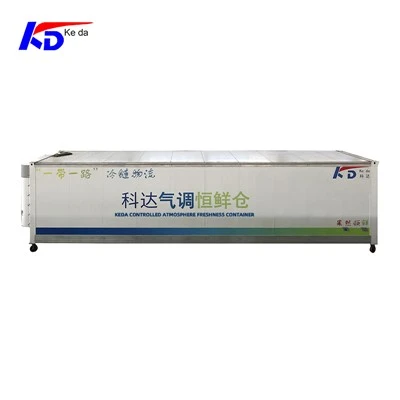
If you’re a warehouse manager, farmer, or anyone who runs a CA system and you’re tired of guessing when your parts will die, we can help you figure out exactly what you need, how to extend its life, and keep your produce from spoiling. Whether you need a sensor replacement, a new gasket, or just advice on setting up a simple maintenance schedule, we’re here to help—no pushy salespeople, just actual experience working with CA systems day in and day out. Reach out to talk through what you need, we’re happy to answer any questions.
Ultrasonic Humidifier References
- Controlled Atmosphere Storage: A Guide for Fresh Produce (US Department of Agriculture, Agricultural Marketing Service)
- "Lifespan and Maintenance of Controlled Atmosphere System Components" (Journal of Postharvest Technology, 2021)
- Rubber Gasket Durability in Commercial Storage Environments (National Institute of Standards and Technology, 2019)
- "Sensor Drift and Calibration Practices for CA Warehouses" (International Society of Food Protection, 2022)
Yantai Keda Zhixian International Trade Co., Ltd.
As one of the leading manufacturers and suppliers of controlled atmosphere warehouse accessories in China, we have world-leading production equipment and strong manufacturing capabilities. Please feel free to buy high-grade controlled atmosphere warehouse accessories for sale here from our factory.
Address: No.18-2, Wuhan St, Yantai ETDZ, Yantai, Shandong, China
E-mail: ytkeda2026@163.com
WebSite: https://www.kedacastorage.com/
