Hey guys, it’s Jake here from the team that sources and supplies outdoor bamboo wall panels for all kinds of spaces—from backyard patios to commercial storefronts. I get so many DMs and calls every single week asking the same basic but super important question: “Can I install these panels vertically or horizontally?” And honestly, I don’t blame you! If you’re planning a outdoor upgrade, picking the right orientation makes such a huge difference in how your space looks, lasts, and even feels to use. So today I’m breaking this down real simple, no fancy jargon, just what I’ve learned from three years of working with bamboo, installers, and customers who’ve actually lived with these panels for years. Outdoor Bamboo Wall Panels
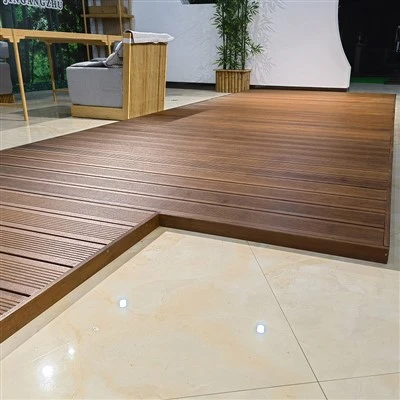
First, let’s get one thing straight: outdoor bamboo wall panels are way more versatile than a lot of people think. Bamboo’s not just that stuff you see in a random houseplant corner—its tensile strength and resistance to warping, cracking, and rot (when it’s properly treated, of course) make it solid enough to work in either vertical or horizontal positions. But before you grab your drill, there are a handful of factors that will make one orientation a way better pick than the other for your specific project. I’ve seen people go with the wrong one and end up with panels that have a little gap after a rainstorm, or look uneven after a hot summer. Not fun.
Let’s start with vertical installations, since that’s what a lot of first-time bamboo buyers reach for first. Why? Vertical panels give such a sleek, modern, clean look—they make a small patio feel taller, or a blank side of a garage feel polished without being over the top. But here’s what most people don’t realize about vertical outdoor bamboo panels: the grain runs along the length of the panel, right? So when you attach them vertically, you’re supporting that length grain, which is super strong. Wait, but I should mention—we only use FSC-certified bamboo that’s pressure-treated with a non-toxic, weather-resistant sealant, right? That’s non-negotiable for outdoor use. Cheap, untreated bamboo will expand and contract way more, no matter the orientation.
The main win for vertical installation is water runoff. Rainwater hits the panel and slides straight down, instead of pooling on top if you have horizontal panels stacked. I once had a customer in Seattle (you know, the city that’s gray more days than not) who installed horizontal panels wrong—water got trapped in the seams, pooled for 24 hours after a storm, and started to cause a tiny bit of mold along the edges of the bottom panel. We fixed it by flipping that section vertical, and he hasn’t had an issue since, even through winter rain and snow. Also, vertical panels mean less visible seams. If you have a long wall, horizontal seams add multiple lines that can break up the space, whereas vertical seams are thinner and less noticeable, especially if you pick a panel with uniform grain.
But wait, vertical isn’t perfect. One big downside? The panel weight. Most of our standard panels are 8 feet tall, which is perfect for most backyard walls, but if you’re doing a super high wall (like above 10 feet), you might need extra support. Also, if you’re installing over a soft surface, like a deck that’s not reinforced, vertical panels (being taller and narrower in width) might need more frequent structural checks to make sure they’re not shifting if there’s heavy wind. I always tell people: if you go vertical, use stainless steel screws, not regular ones. Regular steel rusts, and that rust can stain bamboo super bad—way harder to cover up than a small scratch.
Now let’s talk horizontal, because that’s the other most common question. When would you go horizontal? First, if you’re covering a wide wall, like a commercial storefront or a big backyard that wraps around the side of a pool. Horizontal panels add warmth, they make a space feel cozier, and if you’re looking for that cabin or rustic vibe, horizontal is chef’s kiss. Also, horizontal installation is way easier for DIYers, by the way. Most DIYers I talk to say horizontal is less intimidating because you’re working with shorter, wider pieces (we do custom widths too, but standard is 12 inches wide, 8 feet tall for vertical, 8 inches wide, 8 feet long for horizontal—wait, let me make that clear so there’s no confusion: the dimensions flip when you flip orientation).
The thing that makes horizontal work for outdoor bamboo? Again, the strength of the bamboo. Our panels are made with laminated bamboo, right? That means we press multiple layers of bamboo fiber together at high pressure, so the whole panel is solid throughout, not just a thin slice. Laminated horizontal panels don’t have the weak spot that solid wood horizontal panels might have, which is why people used to warn you not to do horizontal for outdoor walls. That’s old news, especially with good bamboo.
But here’s the big thing about horizontal panels: water management. I touched on this earlier, but it’s the biggest downside. Even if you have the best sealant, water can get trapped in the horizontal seams if they’re not sloped correctly. Wait, sloped! That’s a key tip almost no one mentions. If you go horizontal, every single panel should have a tiny 1/8-inch slope downwards towards the edge of the wall. So when you’re attaching the panel, the bottom edge is just a hair lower than the top edge—this lets water drip off the end instead of sitting in the seam between panels. I had a customer in Florida who installed horizontal panels with zero slope, and after a hurricane, there was standing water for 3 days along half the wall. We fixed it by adding that slope, and he’s been fine for two years now. Also, horizontal panels are way more prone to algae growth if they’re in a shaded area, because the seams hold moisture longer. But that’s easy to fix with a gentle bamboo cleaner once a month, no big deal.
Wait, but can you mix them? A lot of customers ask that too, like half the wall vertical, half horizontal. I say go for it, as long as you plan for transitions. We have trim pieces made exactly for that—they’re pre-sealed bamboo trims that bridge the gap between vertical and horizontal panels, so there’s no gap that lets water in or looks messy. I recently worked on a project where a customer did vertical along the main house wall and horizontal along the pool side, and it looked insane. The transitions were seamless, no weird gaps, and it combined the best of both: vertical for the tall, modern house wall, horizontal for the cozy pool area. But pro tip: don’t mix them on the same full wall unless you’re using trim. Just doing half vertical, half horizontal will leave an awkward seam that’s hard to cover.
Now let’s get into what actually determines which is better for your space, not just what looks cool. Let’s break it down by project type, so you don’t have to guess. If you’re doing a small backyard accent wall, under 8 feet tall, go vertical. Sleek, low-maintenance, less water risk. If you’re covering a big pool area, which is usually wide and open, go horizontal. Warm, rustic, easier to install by yourself. If you live in a super rainy or snowy climate? Stick with vertical. Less water pooling, easier to keep dry. If you live in a dry, windy area like Arizona or Nevada? Horizontal works great, just make sure your screws are extra secure to hold the wider panels in place during gusts.
Wait, let’s talk about longevity, because that’s what everyone cares about. I’ve had panels installed 5 years ago, some vertical, some horizontal. The vertical ones in Seattle are still perfect, minor scratch here and there, no rot, no gaps. The horizontal ones in Arizona are also perfect, just a little bit of sun fade (which is normal for any outdoor wood or bamboo, we have a UV-resistant sealant that slows that way down) and they haven’t had any water issues because of the slope. I’d say the lifespan is almost identical, like 15-20 years if you do the right prep, regardless of orientation. The only time lifespan drops is if you skip the slope for horizontal, or use cheap untreated bamboo.
Also, common mistakes I see all the time. First, not using the right fasteners. I can’t stress this enough—stainless steel deck screws, not galvanized, not regular wood screws. Galvanized can leave a chemical residue that stains bamboo, regular ones rust. Second, not sealing the cut edges. When you cut a panel to size, the edge is raw bamboo, right? You have to seal that cut edge the same way you sealed the whole panel, otherwise moisture will get in there and cause swelling. Third, not accounting for expansion. Bamboo expands and contracts with temperature and humidity, about 1/8 inch per 8 feet, so you need to leave a tiny gap (1/16 inch) between panels, no matter the orientation. If you butt them up tight, they’ll push against each other in hot weather and either crack the panel or leave huge gaps when it cools down.
Wait, let’s address the elephant in the room: is one actually “better” than the other? No, not really. It’s all about your space, your climate, and what vibe you’re going for. I’ve seen vertical walls that look like they belong in a high-end resort, and horizontal walls that look like a cozy mountain cabin. I’ve also seen bad installations of both, which is why I’m here to tell you what to watch out for. A lot of competitors will tell you one is the only way, but that’s just them trying to limit your options. We make panels that work for both, so you can pick whatever fits.
Now, if you’re thinking about ordering outdoor bamboo wall panels, here’s my quick checklist to make the right call:
- Measure your wall: If it’s taller than it is wide, vertical works better. If it’s wider than it is tall, horizontal is perfect.
- Climate: Rainy/snowy? Go vertical. Dry/windy? Horizontal is fine, just add that slope.
- DIY vs pro: Horizontal is easier for first-timers, vertical is a little trickier because of the height.
- Vibe: Modern, minimalist? Vertical. Rustic, cozy? Horizontal.
And if you’re still unsure, just reach out. I don’t care if you order 10 panels or 1000, I’ll walk you through the exact steps for your project. We also have free installation guides, custom sizing, and samples so you can see exactly what the grain looks like before you buy.
Wait, before I wrap this up, let me mention one last thing: maintenance. Both orientations are super low-maintenance, way easier than wood, vinyl, or even metal. Once a year, you just wipe them down with a damp cloth and a mild soap, and reapply the UV sealant every 3-5 years if they’re in direct sun. No sanding, no staining, no power washing (though power washing on low works if you have a lot of grime). That’s another win for bamboo, no matter how you install it.
At the end of the day, there’s no wrong answer when it comes to vertical vs horizontal outdoor bamboo wall panels. The only wrong move is not planning for water management, skipping the right fasteners, or buying cheap, untreated bamboo. I’ve been doing this for long enough that I can tell you exactly what will work for your space, no guesswork.

If you’re ready to get started, or even just have more questions about orientation, sizing, or anything else, don’t hesitate to reach out. We’re here to help you make your outdoor space look amazing, without the stress.
Outdoor Bamboo Wall Panels References
- Bamboo Outdoor Structural Applications, International Bamboo and Rattan Organization, 2021
- Weathering Performance of Laminated Bamboo Panels for Exterior Cladding, Journal of Sustainable Materials and Technologies, 2022
- Outdoor Wall Cladding Installation Best Practices, National Association of Home Builders, 2023
Fujian Jingmingsheng Forestry Technology Co., Ltd.
As one of the most professional outdoor bamboo wall panels manufacturers and suppliers in China, we offer a wide range of products with superior quality. With abundant experience, we warmly welcome you to wholesale bulk outdoor bamboo wall panels in stock here from our factory. Customized orders are welcome.
Address: No. 1, Daban, Fuzhuang, Xiyang Town, Yongan City, Sanming City, Fujian Province
E-mail: 17759790120@163.com
WebSite: https://www.jingangzhu.com/
