As an oil pump supplier that’s been in the game for over a decade, I’ve seen firsthand how something as seemingly straightforward as a pump can make or break a whole operation—from a small construction crew’s generator to a 24/7 refinery pipeline. A lot of folks reach out to me saying, “My pump was working fine last week, now it’s sputtering” or “Why am I replacing mine every six months when yours lasts three years?” The answer almost never boils down to a single thing. It’s a mix of small, easy-to-miss factors that either let a pump perform at its best or turn it into a headache. Let’s break down what actually affects how well an oil pump runs, straight from someone who troubleshoots these units every day. Oil Pump
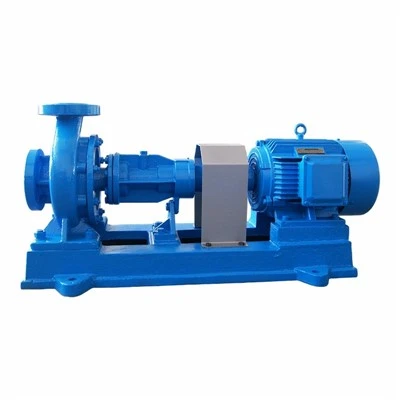
First up, let’s talk about the fluid itself. This isn’t just “oil”—it’s the actual product the pump is moving, and its properties can throw everything off. I’ve had a client bring in a pump that was making weird grinding noises, and when I asked what kind of oil they were pumping, they said “crude oil from a new well” that was way thicker than what their old pump was rated for. Viscosity is a big one here. If you try to push oil that’s too thick (like heavy crude in cold weather) through a pump designed for thin hydraulic oil, the pump has to work way harder to move it. That extra strain doesn’t just lower performance—it burns out seals and impellers faster. On the flip side, oil that’s too thin (like light transformer oil) in a pump built for heavy oil can cause leaks and reduce pressure, so your flow rate drops even if the pump looks fine. Also, contamination matters so much more than people realize. If there’s dirt, metal shavings, or water in the oil, those particles act like sandpaper inside the pump. I’ve seen a pump that ran perfectly for two years suddenly die because a valve upstream failed and let metal bits get through—we ended up replacing the impeller and the seal, but the client lost three days of production waiting for parts. Even water in oil can cause corrosion, eating away at internal components over time. It’s not just “dirty oil”—it’s specific contaminants that hit performance hard.
Next, pump sizing and application. This is where a lot of buyers mess up when they’re picking a new unit. I once had a small fabrication shop order a 10 HP pump to move 50 gallons of oil a minute for their parts cleaning line. The pump was way too big, so it was cycling on and off constantly—every time it shut off, oil would sit in the lines and cool, thicken, and next time it turned on, it would surge, wear out the motor, and waste a ton of energy. On the flip side, using a pump that’s too small for the job: if you’re moving oil 500 feet uphill instead of 50 feet flat, a pump rated for 100 feet of head won’t generate enough pressure, so it can’t move the oil at all, or it runs so hot that it seizes up. Head pressure is a detail most people skip when they’re buying a pump. Head is basically the height the oil has to climb, plus the friction from the pipes and fittings. If you underestimate that, your pump’s performance tanks. I always tell clients: “Tell me exactly where the oil is coming from, where it’s going, and how many gallons a minute you need. Don’t just guess—we’ll size it right.” One time a construction team tried to use a generic pump for their excavator’s hydraulic oil, and it kept overheating because they didn’t account for the long hose runs adding extra friction. Once they swapped for a pump rated for higher head, it ran like new.
Then there’s installation and maintenance habits. I can sell you the best pump on the market, but if you hook it up wrong and forget to check it, it’s going to fail fast. Let’s start with installation: priming the pump is non-negotiable. A lot of people skip priming, thinking “oil will flow in when I turn it on,” but if there’s air in the pump’s housing, it can’t build pressure. I’ve had clients call at 2 a.m. panicking because their pump won’t turn on, and nine times out of 10 it’s just an air lock. Even small things like pipe alignment matter. If the inlet or outlet pipes are pulling the pump off-center, the shaft gets bent, and that causes vibration, leaks, and reduced flow. I always make sure our installation guides emphasize checking alignment with a level before firing up a new pump. Now for maintenance—this is where consistency wins. Skipping regular oil changes for the pump itself? Big mistake. The pump has its own lubrication system, and if that oil gets dirty or low, internal parts wear out way faster. Also, checking seals and gaskets every few months. A tiny leak might seem harmless, but it lets air get in or oil get out, which messes with pressure. I had a trucking company client that was losing 10 gallons of oil a month through a tiny seal leak; they thought it was normal until we pointed it out, and once we fixed it, their pump’s fuel efficiency jumped 15% because it wasn’t working to make up for the lost oil. Even filter changes on the pump—changing them when they’re due, not when you remember—cuts down on strain and keeps performance steady.
Environmental factors, too, are often overlooked. Where you run the pump matters a lot. If it’s in a super cold outdoor spot, like a construction site in northern Canada, uninsulated pipes and pumps can have oil thicken, as I mentioned earlier. Even the pump’s location—if it’s in a dirty, dusty area, dust can get into the motor vents, making the motor overheat. I’ve had a client in a grain storage facility where grain dust got into the pump’s cooling fan, so the motor ran 20 degrees hotter than it should, reducing its lifespan by half. On the flip side, hot environments, like a refinery near a furnace, can make the pump’s seals soften or warp, leading to leaks. Also, power supply issues—most oil pumps run on electricity, so if the voltage fluctuates, that messes with the motor. I’ve seen pumps burn out because of a bad transformer nearby that would drop voltage randomly; once they installed a stabilizer, the pumps lasted twice as long. Even altitude can play a role—at high altitudes, air pressure is lower, so a pump might have trouble priming, which is why we adjust our pump designs for clients running at elevations over 5,000 feet.
Wait, let’s not forget operational practices. How you use the pump day to day affects performance. Overloading the pump—running it at maximum capacity 24/7, when it’s rated for 80% continuous load—will wear it out fast. I had a manufacturing plant that ran their pump nonstop at full tilt, and it failed in 18 months; when they backed off to 80% load, it ran for four years. Also, turning the pump on and off too frequently—short cycling—does more damage than most people think, as I mentioned with the oversized pump earlier. Each time the pump starts, it draws a lot of current, which strains the motor. If you’re turning it on and off every hour, that adds up to a ton of stress. Another thing: throttling the outlet valve to reduce flow. A lot of people do this to adjust how much oil moves, but it creates backpressure that can damage the pump over time. It’s way better to use a variable speed drive to adjust flow, which is what we recommend in our pumps now.
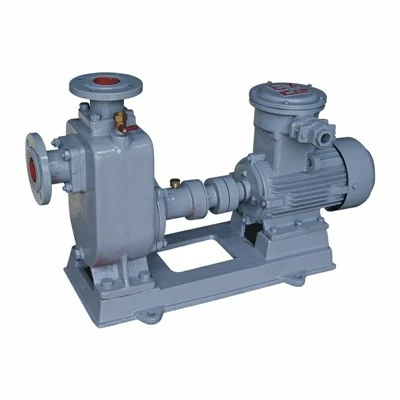
As an oil pump supplier, my job isn’t just to sell a unit—it’s to make sure it works for you, long term. I’ve seen so many clients struggle because they didn’t account for these factors, and it’s avoidable. Whether you’re a small business needing a pump for a workshop or a large operation with a whole fleet, getting the right size, accounting for fluid properties, installing it correctly, and keeping up with maintenance is what keeps performance high and costs low. If you’re currently dealing with a pump that’s not performing as it should, or you’re looking to upgrade and want to make sure you get one that fits your exact needs, don’t hesitate to reach out to talk through your situation. We don’t do one-size-fits-all here, and we’re happy to help you figure out what’s best for your operation, no pressure, no sales pitch—just straight advice from someone who’s been in the thick of it for years.
Sewage Pump References:
- Engineering Toolbox. "Oil Pump – Viscosity Effects on Performance."
- Hydraulic Pump Manufacturer Association. "Best Practices for Oil Pump Installation and Maintenance."
- International Organization for Standardization. "ISO 14801:2019, Petroleum and Natural Gas Industries – Pumps for Oilfield Applications."
- Machinery Lubrication Magazine. "Contamination Control: The Silent Factor in Pump Performance."
Zhejiang Kaicheng Pump Valve Co., Ltd.
Zhejiang Kaicheng Pump Valve Co., Ltd. is one of the most professional oil pump manufacturers and suppliers in China, also supports customized service. We warmly welcome you to buy advanced oil pump made in China here and get quotation from our factory. For price consultation, contact us.
Address: No.501 Zhangbao North Road, Dong ou Industrial Park, Oubei town, Yongjia, Zhejiang Province, China
E-mail: sales@cnkcmp.com
WebSite: https://www.kcmpumps.com/
