If you’ve ever stood in a cold shower, shivering while waiting for the water to heat up, or wondered how your home turns a single appliance into a reliable source of both hot water for taps and warmth for radiators, you’re not alone. For years, I used to assume all water boilers worked the same way—fill a tank, heat it, repeat. That was before I joined the team at [our company], where every day I get to work on combi hot water boilers, the workhorses that fix exactly those common household headaches. Today, I want to walk you through how one of these systems actually works, straight from the perspective of someone who’s installed, maintained, and sold these units for over a decade. No jargon, no sales fluff—just how it all clicks. Hot Water Boiler
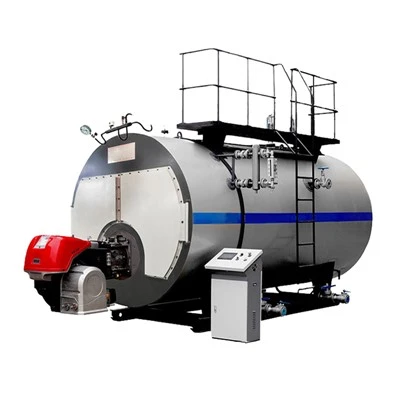
First, let’s bust the biggest myth about combi boilers: they’re not like traditional “regular” boilers that heat water and store it in a big insulated tank in your attic, or even like system boilers that need a separate cylinder for hot water. A combi (short for combination) unit does two jobs at once—heats your home’s central heating and provides instant hot water at any tap—all without that extra tank. That’s why they’re so popular for small homes, apartments, or anyone who hates running out of hot water mid-shower. But how do they pull that off without storing gallons of hot water? Let’s break it down step by step, like I’m showing a customer who’s never seen one up close.
Start with the input: when you turn on a hot tap, what happens first? It’s not magic, it’s a series of tiny, timed signals. Every combi boiler has a flow sensor, a little device that sits in the cold water pipe coming into your home from the main supply. The second you open that tap, water starts moving, and the flow sensor detects that movement. That’s the trigger. Before I joined this industry, I thought the boiler just turned on when you needed water, but there’s more nuance than that. If someone’s already running a shower and another tap is turned on, that flow sensor sends a signal to the boiler to adjust its heat output to keep up with both demands. That’s why you don’t get a lukewarm surprise when someone runs a sink while you’re bathing—at least, a well-maintained combi won’t.
Once the flow sensor picks up demand, the boiler has to heat that cold water fast. Most residential combi boilers run on either natural gas or propane, though electric models are becoming more common for off-grid homes. Let’s stick with gas first, since that’s what 90% of our customers use. The boiler’s burner ignites—usually with a spark, like a gas stove, but controlled automatically—and heats a heat exchanger, a coiled metal pipe that runs right through the burner’s flame. Cold water from the main supply flows straight through this heat exchanger, so instead of being stored and warmed slowly, it’s heated on demand as it passes through the coils. That’s the key difference between combis and storage tank systems: no waiting. If you turn the tap off, the flow sensor stops detecting movement, the burner turns off, and no energy is wasted heating water you don’t need. That’s a big reason combis are more energy-efficient than older models—no standby heat loss from a tank sitting in a cold attic.
But what about central heating? How does the same unit handle that, too? When you adjust your thermostat to turn on the heat, a different sensor—called a thermostatic control—triggers the boiler in the same way: it detects a demand for heat, and the burner ignites, heating a separate heat exchanger dedicated to the central heating loop. Wait, separate heat exchangers? That’s a detail I make sure every customer understands, because it’s critical for safety and reliability. The hot water heat exchanger and the central heating heat exchanger never touch the same water. The central heating loop uses water that’s sealed inside your radiators and pipes, while the domestic hot water (the stuff you drink and shower with) is separate, straight from the main supply. That means no risk of rust or sediment from your radiators getting into your drinking water. It also means if something goes wrong with one loop, it rarely affects the other—though of course, we always recommend regular maintenance to avoid that.
Let’s talk about pressure, because that’s where a lot of new homeowners get confused. Combis rely on the main water supply’s pressure to work, right? If your home has low water pressure, a combi might struggle to provide enough hot water at two taps at once. That’s why we often add a pressurization system or a booster pump for homes with weaker supply. I’ve had customers call me panicking because their boiler pressure is dropping—usually, that’s a tiny leak in the central heating loop, or air getting trapped in the pipes. The good news is, modern combi boilers have a built-in pressure gauge and automatic pressure relief valve, so they’ll alert you if pressure is too low or too high, preventing damage. That’s another reason these units are low-maintenance for the average homeowner, as long as you check the pressure once a quarter.
Now, let’s clear up a common misconception: combi boilers aren’t for everyone. If you have a very large home with multiple bathrooms, a standard combi might not be powerful enough to run three showers at once without slowing down. That’s why we offer high-capacity models with higher heat outputs, designed for larger properties. I’ve seen homeowners try to cut costs by buying a smaller combi for a 5-bedroom house, only to end up with lukewarm showers during peak times. It’s always better to size the boiler correctly, and my team and I make a point to walk customers through that instead of pushing the biggest unit we have. That’s the kind of trust we build, not just a one-time sale.
What about maintenance? From my experience, the biggest mistake people make with combi boilers is ignoring regular service. I see a lot of units that run for 10 years without a tune-up, and eventually, the heat exchanger gets clogged with limescale, especially in areas with hard water. Limescale buildup makes the burner work harder, uses more energy, and can eventually cause the heat exchanger to crack, leading to expensive repairs. That’s why we recommend annual servicing: we check the burner, flush the heat exchanger, test the pressure, and make sure all safety controls are working. For customers in hard water areas, we also offer water treatment systems to reduce limescale, which extends the life of the boiler and keeps hot water flowing smoothly.
Let me tell you a quick story that sums up why this work matters. Last winter, a customer called us at 7 PM, panicking because their combi boiler had stopped working, and they had a family coming over for dinner—no hot water to wash dishes, no heat for the living room. We sent out a service tech right away, and it turned out the flow sensor was clogged with a piece of sediment from the main water line. After cleaning that out, the boiler was working again in 20 minutes. That’s the moment I remember why I do this: combi boilers are so much more than a appliance. They’re the reason you can host a holiday dinner, wake up to a hot shower, and keep your family warm on cold nights.
Now, let’s get back to the core of how a combi works, in case you want a quick recap. When you turn on a hot tap or adjust your thermostat:
- A sensor detects the flow of water (for hot water) or the need for heat (for central heating).
- The gas or electric burner ignites, heating a dedicated heat exchanger.
- Cold water (for domestic use) or sealed loop water (for central heating) flows through the heated exchanger, warming it on demand.
- If the demand stops, the sensor cuts power to the burner, eliminating waste.
- Built-in sensors and valves regulate pressure, temperature, and safety to prevent damage.
It’s a simple system at its core, but the engineering behind it is what makes it reliable. We’ve worked with thousands of combi boilers, and the ones that last are the ones installed correctly, sized right, and serviced regularly.
At [our company], we don’t just sell boilers—we’ve been helping homeowners and small businesses pick, install, and maintain combi systems for over 15 years. We know that buying a new boiler is a big investment, so we take the time to answer every question, walk through sizing, and even provide flexible service plans to keep your unit running for years. If you’re considering upgrading your current hot water system, or if your current boiler is acting up and you’re tired of lukewarm showers or high energy bills, we’d love to chat. We can help you find the right combi boiler for your home, no pressure, just honest advice.
Vacuum Hot Water Boiler References
- International Energy Agency. (2022). Residential Heating Technology Trends: Combi Boilers in North America and Europe.
- U.S. Department of Energy. (2021). Energy Efficiency of Residential Water Heating Systems.
- Heating, Refrigerating and Air-Conditioning Engineers (ASHRAE). (2020). Combi Boiler Design and Installation Standards for Residential Applications.
- Water Science and Technology Board. (2019). Limescale Formation and Mitigation in Residential Hot Water Systems.
- European Boiler Manufacturers Association. (2023). Safety Features in Modern Combi Hot Water Boilers.
Xinxiang Huayuan Container Equipment Co., Ltd.
With abundant experience, we are one of the most reliable hot water boiler manufacturers and suppliers in China. We warmly welcome you to buy durable hot water boiler made in China here from our factory. If you have any enquiry about cooperation, please feel free to email us.
Address: No.2, South Road, Industrial Cluster Zone, Genghuang Township, Fengquan District, Xinxiang City, Henan Province
E-mail: cncd527@gmail.com
WebSite: https://www.huayuanequipment.com/
