hey guys, if you’ve ever reached for a power strip right before binging a show, only to feel it’s warmer than your coffee mug, you’re not overreacting. as a power strip supplier, i get questions about this all the time—like, “is my strip gonna catch fire?” or “did i buy a dud?” today, let’s break this down simply, no boring textbook jargon, just real stuff that makes sense. Power Strip
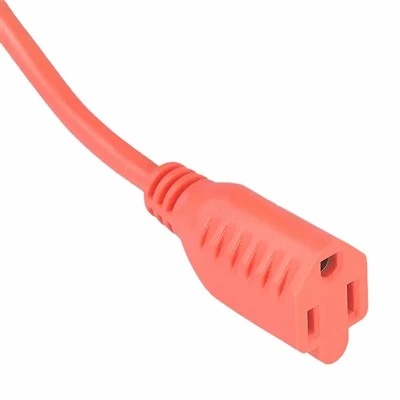
first off, let’s get one thing straight: a warm power strip isn’t automatically bad. in fact, a little heat is normal. think of electricity like water flowing through a hose. if you cram more water through a hose than it’s made for, the hose gets warm, right? same with power strips. they have a maximum capacity—we call that the amp rating. most basic strips are 15 amps, heavy-duty ones are 20. if you plug in too many devices that add up to more than that, like a space heater (which is 12.5 amps alone), a gaming console, and a big screen tv, that’s way over the limit. the extra electricity has to go somewhere, and that’s where the heat comes from. it’s not the strip being “weak”—it’s just not built for that kind of load.
but wait, even a strip that’s under its rating might get warm. why? let’s talk about the connections inside. power strips are made with metal parts—prongs, wires, and contacts where the plugs sit. if a plug is loose, there’s a gap between the metal of the plug and the metal of the strip. that gap makes electricity work harder to jump across, and that work turns into heat. i’ve seen this with old plugs too—ones where the prongs are bent, or you plug a two-prong cord into a three-prong adapter that doesn’t fit tight. that loose connection is a common culprit for unexpected heat, even if you’re only running a laptop and a lamp.
another thing: the environment around the strip. if your strip is wedged between a desk and a wall, or covered by a pile of books, or even under a rug, it can’t breathe. heat has to escape, right? if it’s trapped, it builds up instead of dissipating. i see this all the time in offices where people stack strips on top of each other—one on top of another, no space. that’s a recipe for a warmer strip, way faster than if it’s sitting out in the open. even something as simple as placing a strip on a soft surface like a bed can block the vents—wait, yeah, beds have fabrics that can cover the strip’s slots, so heat can’t get out. that’s a big one i always warn customers about.
let’s clear up a myth too: not all heat is equal. a strip that’s slightly warm, like warm to the touch but not hot enough to burn you, is fine. but if you can’t leave your hand on it for more than a second, that’s a red flag. that’s when you need to check what’s plugged in, if any plugs are loose, or if it’s in a spot that’s trapping heat. i’ve had customers tell me their strip is “always hot” and it turned out they had a space heater, a fridge, and a microwave all on one 15-amp strip—no wonder it was running hot. they just needed a heavier-duty 20-amp strip for those high-wattage devices.
now, as someone who builds these strips, i’ll be real: not all heat is preventable, but a good strip should manage it well. that’s why we use thicker copper wires in our heavy-duty strips—thicker copper can carry more electricity without heating up as much. we also design the casings with small vents to let heat escape, and we test every strip to make sure it stays within safe temperature limits even at full load. cheap strips might cut corners with thinner wires, so they get way hotter even when they’re under their rating. that’s why it’s worth going with a reliable strip instead of the $5 one from the gas station—you’re not just getting a longer cord, you’re getting something that handles heat properly.
wait, another thing: what about old vs. new strips? if your strip is more than 5 years old, it might start to wear out. the metal contacts get corroded from plugging and unplugging, so connections get looser, which creates more heat. or the wires inside can fray a little, even if you can’t see it. that old strip under your desk might have worked fine a few years ago, but now it’s starting to run hotter. that’s a good reason to replace strips every few years instead of hoarding them.
let me throw in a quick personal example. last year, a customer reached out to me saying their strip was so hot it melted the plastic a little. i asked them what they had plugged in—turns out they had a 15-amp strip running a space heater, a desktop, and a router. i explained that the space heater alone was 12.5 amps, so adding the other devices pushed it over the 15-amp limit. i sent them a 20-amp heavy-duty strip, and they reached out a week later saying the new strip was just warm, no more melting. that’s the stuff we deal with every day—people not realizing how their devices add up, or that their strip isn’t the right fit.
so, what can you do if your power strip is hot? first, unplug some devices until you’re under the amp rating. most strips have that rating printed on the side—look for it, it’s usually 15A or 20A. second, check that all plugs are firmly pushed in, no wiggling. third, move the strip to a spot where it can breathe—no stacking, no covering with stuff. fourth, if it’s really hot even when you’re only running one or two devices, it might be a bad strip, or an old one that needs replacing. and if you’re running high-wattage stuff like space heaters, air fryers, or desktop pcs, invest in a heavier-duty strip—they’re worth the extra money to keep things safe.
now, a lot of people ask me: can a hot power strip start a fire? the short answer is, usually only if you ignore the problem. heat itself isn’t dangerous, but if it builds up too much, especially on a cheap strip with flimsy plastic or bad connections, it can melt the casing and cause a short circuit. that’s why following the tips above matters, and why using the right strip for the job is non-negotiable.
as a power strip supplier, i’m not just here to sell you a product—i want you to use it safely. that’s why we make different strips for different needs: basic ones for lamps and phones, heavy-duty for tools and appliances, even slim ones for tight spaces where heat might be trapped. we design them to handle normal heat, but we also make sure to label everything clearly so you know exactly what it’s built for.
if you’re ever unsure which strip is right for your devices, just reach out. we can help you calculate how many amps you need, or answer any questions about why your current strip is running hot. no pressure, just honest advice from someone who’s been in the power strip game for a while.
here’s the thing: power strips are super easy to take for granted, until they’re hot or stop working. but a little attention to heat can go a long way in keeping your home or office safe, and making your devices last longer. don’t ignore a warm strip—check it out, adjust what’s plugged in, and if you need a better one, we’re here to help.
so yeah, that’s the lowdown on why power strips get hot. it’s not some mystery science trick, it’s just how electricity works, plus a few easy factors we can control. if you’ve got more questions, or you’re looking to upgrade your power strips to something that handles heat better, feel free to connect with us to talk through your needs.
EU Plug Adapter references
- U.S. Consumer Product Safety Commission. Electrical Safety: Power Strips and Surge Protectors.
- National Electrical Manufacturers Association. Guidelines for Power Strip Ampacity and Thermal Performance.
- Underwriters Laboratories. Standard for Safety for Power Units, UL 1363.
Yuyao Mideal Electric Co., Ltd.
Yuyao Mideal Electric Co., Ltd. is one of the most professional power strip manufacturers and suppliers in China, also supports customized service. With abundant experience, we warmly welcome you to wholesale cheap power strip in stock here from our factory. For price consultation, contact us.
Address: No.28, Lujiafan Road, Langxia Street, Yuyao City, Zhejiang Province, China
E-mail: manager@nbmideal.com
WebSite: https://www.midealcord.com/
