As a supplier of smart locks, I often encounter customers asking, "How do I know if a smart lock is compatible with my door?" This is a crucial question because a compatible smart lock ensures not only seamless installation but also optimal functionality and security. In this blog, I’ll share some key factors to consider when determining if a smart lock is right for your door. Smart Lock
Door Type
The first step in assessing compatibility is to identify your door type. There are several common types, each with its own characteristics that can affect smart lock installation.
Wooden Doors
Wooden doors are a popular choice in many homes. They come in various thicknesses and styles. Most smart locks are designed to fit standard wooden doors with a thickness ranging from 1.375 inches (35mm) to 2.36 inches (60mm). However, if your wooden door is unusually thick or thin, you may need to look for a smart lock with adjustable backset or a model specifically designed for non – standard door thicknesses.
When it comes to wooden doors, the material’s density can also play a role. Solid wood doors are generally more stable and can better support the weight of a smart lock compared to hollow – core wooden doors. If you have a hollow – core door, make sure the smart lock is lightweight and has a proper mounting mechanism to prevent it from loosening over time.
Metal Doors
Metal doors are known for their durability and security. They are often used in commercial buildings and some high – security residential applications. Smart locks for metal doors need to be able to penetrate the metal surface and securely attach to the door. Some metal doors have a reinforced frame, which may require a smart lock with a stronger mounting system.
The thickness of the metal door is also important. Similar to wooden doors, most smart locks are designed for standard metal door thicknesses. If your metal door is thicker or thinner than the standard, you may need to consult the smart lock manufacturer to see if it can be adjusted or if there is a suitable model available.
Glass Doors
Glass doors are a modern and stylish option, but they present unique challenges for smart lock installation. Since glass is a brittle material, the smart lock needs to be installed in a way that doesn’t damage the glass. Some smart locks are designed specifically for glass doors and use adhesive or clamping mechanisms to attach to the glass surface.
The type of glass also matters. Tempered glass is stronger and more suitable for smart lock installation than regular glass. Additionally, the size and shape of the glass door can affect the choice of smart lock. For example, sliding glass doors may require a different type of smart lock compared to hinged glass doors.
Door Hardware
The existing door hardware can significantly impact the compatibility of a smart lock.
Deadbolt and Knob
Most smart locks are designed to replace either the deadbolt or the doorknob, or both. If you plan to replace the deadbolt, you need to ensure that the smart lock’s backset (the distance from the edge of the door to the center of the hole for the deadbolt) matches the backset of your existing deadbolt. Common backset sizes are 2 – 3/8 inches and 2 – 3/4 inches.
If you’re replacing the doorknob, consider the hole pattern on the door. The smart lock should have the same hole pattern as your current doorknob to ensure a proper fit. Some smart locks come with adjustable hole patterns or adapters to accommodate different door configurations.
Strike Plate
The strike plate is the part of the door frame where the deadbolt or latch engages. A compatible smart lock should work well with your existing strike plate. In some cases, you may need to replace the strike plate to ensure a secure fit. For example, if you’re upgrading to a high – security smart lock, a reinforced strike plate may be necessary.
Locking Mechanism
The locking mechanism of the smart lock is another important factor to consider.
Mortise Locks
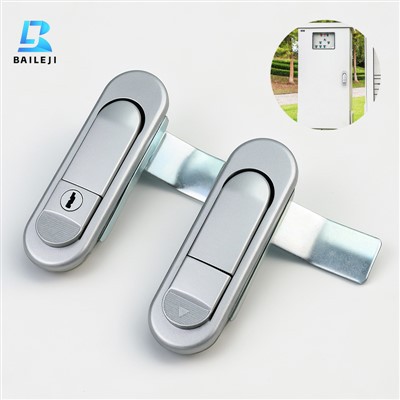
Mortise locks are installed inside a pocket (mortise) cut into the edge of the door. They are known for their high security. If your door has a mortise lock, you need to find a smart lock that is compatible with the mortise lock’s dimensions and mechanism. Some smart locks can be integrated with existing mortise locks, while others may require a complete replacement.
Cylindrical Locks
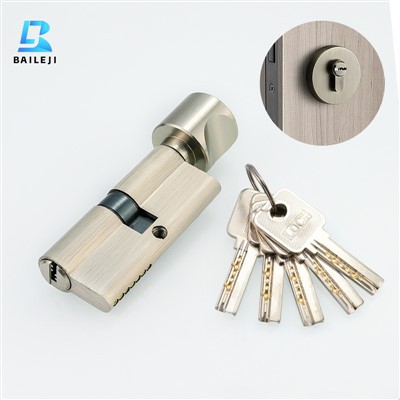
Cylindrical locks are the most common type of locks found on residential doors. They are relatively easy to replace with a smart lock. When choosing a smart lock for a cylindrical lock, make sure it has the right size and shape to fit into the existing lock housing.
Connectivity and Compatibility with Smart Home Systems
In addition to physical compatibility, you also need to consider the smart lock’s connectivity and its compatibility with your smart home system.
Wi – Fi, Bluetooth, and Zigbee
Most smart locks offer Wi – Fi, Bluetooth, or Zigbee connectivity. Wi – Fi allows the smart lock to connect directly to your home network, enabling remote access and control. Bluetooth is useful for local control, such as unlocking the door when you’re near it. Zigbee is a low – power wireless protocol that can be used to integrate the smart lock with other Zigbee – enabled devices in your smart home.
Make sure the smart lock’s connectivity options match your needs. For example, if you want to control the lock from anywhere in the world, a Wi – Fi – enabled smart lock is a good choice. If you only need local control and want to integrate the lock with other Bluetooth devices, a Bluetooth – enabled smart lock may be sufficient.
Compatibility with Smart Home Platforms
If you have a smart home system, such as Amazon Alexa, Google Assistant, or Apple HomeKit, you need to ensure that the smart lock is compatible with your platform. This allows you to control the lock using voice commands or through the smart home app. Check the smart lock’s product specifications to see which smart home platforms it supports.
Installation and Support
Finally, consider the installation process and the support provided by the smart lock manufacturer.
DIY Installation
Many smart locks are designed for do – it – yourself (DIY) installation. They come with detailed instructions and all the necessary hardware. However, if you’re not comfortable with DIY installation, you may need to hire a professional locksmith. Make sure the smart lock you choose has clear installation instructions and provides support in case you encounter any problems.
Manufacturer Support
A reliable smart lock manufacturer should offer good customer support. This includes technical support, warranty, and software updates. Before purchasing a smart lock, check the manufacturer’s website for information about their support services.
Mechanical Lock In conclusion, determining if a smart lock is compatible with your door involves considering multiple factors, including door type, door hardware, locking mechanism, connectivity, and installation. As a smart lock supplier, I’m here to help you make the right choice. If you have any questions about smart lock compatibility or are interested in purchasing our products, please feel free to reach out to us for a detailed consultation. We’ll be happy to assist you in finding the perfect smart lock for your door.
References
- Smart Lock Installation Guides from Various Manufacturers
- Industry Standards for Door Hardware and Smart Locks
- Research Papers on Smart Home Connectivity and Compatibility
Suzhou Baileji Intelligent Lock Industry Co., Ltd.
As one of the most professional smart lock enterprises in China, we’re featured by quality products and good price. Please rest assured to buy discount smart lock in stock here and get pricelist from our factory. Also, customized service is available.
Address: 3rd Floor, Building 9, Shengteng Industrial Park, No. 8 Ruyuan Road suzhou, jiangsu, China
E-mail: vip@bailejilocks.com
WebSite: https://www.bailejilock.com/
