If you’ve ever stood in a grocery store aisle, comparing two seemingly identical lines of tomato sauce or a batch of artisanal granola next to a mass-produced alternative, you’ve likely encountered the quiet work of acidity regulators in the food supply. For too long, these food additives have been misunderstood—written off as just another “chemical” designed to push shelf life or cut costs, with no regard for how they shape what we taste. As someone who’s spent the last decade working as an acidity regulator supplier, I’m here to tell you that’s not just a misperception; it’s a missed conversation about the fine balance between function and flavor that makes good food great. Acidity Regulators
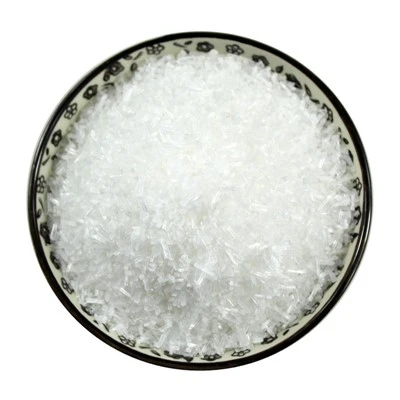
Let’s start with the basics: what even is an acidity regulator, beyond the vague label on a packaging ingredient list? Simply put, they’re a group of food additives (acids, bases, salts, or buffering agents) that adjust or maintain the pH level of a food product. Think of pH as a scale that measures how acidic or alkaline something is—1 is very acidic, 7 is neutral, 14 is very alkaline. For food makers, this isn’t just a technical detail. pH determines so much: how safe a product is (low pH kills harmful bacteria like E. coli and salmonella), how long it stays fresh, how its texture holds up during processing and shipping, and yes, how it tastes.
Take tomato sauce, for example. Ripe tomatoes naturally sit around a pH of 4.2 to 4.5, which is bright, tangy, and balanced with their natural sweetness. But if you leave that sauce to sit on a shelf for six months, that bright tang can fade, and it might even develop a flat, bland aftertaste—plus, it could become a breeding ground for bacteria. That’s where acidity regulators come in. When I work with sauce manufacturers, we often use citric acid, a natural regulator derived from citrus, or less commonly, malic acid from apples, to nudge the pH just a little lower, to around 4.0 to 4.2. It’s not a drastic change; you can’t taste a sharp chemical zing when you take a bite. What you can taste is the bright, fresh tomato flavor staying consistent, even after months on a shelf, instead of dulling into something watery and unmemorable.
But acidity regulators don’t just make food last—they can also fix taste imbalances that natural ingredients struggle with. Consider plant-based yogurts, a product that’s exploded in popularity over the last 15 years. Many plant-based bases, like almond or oat milk, are naturally higher in pH (closer to neutral, 6.0 to 7.0) and have a flat, beany or grainy taste when cultured. Lactic acid, a key acidity regulator produced naturally during fermentation, is often added here to lower the pH, which mimics the tang of dairy yogurt while also making the plant base taste smoother and less bitter. I once worked with a small batch plant-based yogurt maker who had spent six months trying to get their product to taste less like “oat milk with a hint of tart.” When we adjusted their lactic acid levels just 0.1%—a tiny, almost unnoticeable tweak—they told me their test panels went from 30% liking the product to 75%, because the tang cut through the oat’s inherent blandness without masking its creaminess.
That said, the myth that acidity regulators ruin taste often comes from overuse or poor formulation. A few years back, I had a conversation with a craft soda maker who swore acidity regulators were “killing” their product. They were trying to make a sugar-free cola, and the stevia they were using had a bitter aftertaste. They’d loaded their recipe with phosphoric acid—a common regulator in colas—to cut that bitterness, but they’d added too much. The result was a sharp, metallic tang that lingered on the tongue, making the soda taste artificial instead of smooth. When we cut back the phosphoric acid by half and added a small amount of sodium citrate, a buffering acidity regulator, to balance it, the stevia’s bitterness faded, and the cola had the subtle, rounded taste they’d been chasing. Buffering agents like sodium citrate work by absorbing excess hydrogen ions (the ones that make things taste sour), so they adjust pH without making the taste sharp—they smooth it out, not overpower it.
This is why, as a supplier, I emphasize that acidity regulators aren’t one-size-fits-all. A regulator that works for a pickle (acetic acid, to get that sharp, briny tang) will not work for a low-sugar jam, which needs a milder citric acid to brighten fruit flavor without making the jam too sour. It’s not about adding more—it’s about adding the right amount, for the right job. I’ve seen this play out with artisanal baked goods, too. Sourdough bread relies on natural lactic and acetic acids from fermentation for its tang, but commercial sourdough breads often use small amounts of calcium propionate, an acidity regulator, to prevent mold from growing during shipping. If you add too much calcium propionate, you get a soapy, off-taste; add just enough (less than 0.3% of the dough’s weight), and all you taste is the sourdough’s classic tang, with zero chemical aftertaste.
Of course, it’s fair to ask: are acidity regulators safe, and do they really taste the same as natural acids? That’s a valid question, and one I answer with every client I work with. Acidity regulators used in food are all tested for safety by organizations like the FDA and EFSA, and the vast majority are chemically identical to acids found in nature—citric acid in lemons, lactic acid in yogurt, malic acid in apples. The only difference is that they’re produced in a controlled way, so their purity is consistent, which is crucial for food manufacturers who need every batch of their product to taste the same. When I explain this to small food makers who are wary of “artificial” additives, I remind them that even organic tomatoes use natural citric acid to stay ripe—acidity regulators aren’t a replacement for natural flavor; they’re a tool to preserve it.
I recently had a client who made organic pickles using only vinegar (acetic acid) to adjust pH, and they were frustrated because their pickles tasted inconsistent from batch to batch. Sometimes they were too sour, sometimes not sour enough, and sometimes they developed a weird fermented aftertaste after just a month on the shelf. When we suggested a blend of natural acetic acid and a small amount of citric acid (certified organic, of course), they were hesitant at first. But after testing, they found the citric acid cut down on the harsh, vinegary bite of the acetic acid, making the pickles taste brighter and more briny, not just sharp. The pH was consistent across every batch, so the pickles stayed fresh for three months, and their sales doubled because customers knew every jar would taste the same.
This experience drove home a point I’ve come to believe deeply: acidity regulators are often the unsung heroes of consistent, good-tasting food. They don’t create flavor on their own, but they amplify, stabilize, and perfect the flavors that ingredients already have. The problem isn’t that acidity regulators affect taste—it’s that bad formulation, or over-reliance on them to mask low-quality ingredients, leads to bad taste. A cheap, mass-produced cookie that’s loaded with a bitter artificial sweetener and too much citric acid to cover it up tastes chemical because the maker is using the regulator as a band-aid, not a tool. A craft cookie that uses a small amount of citric acid to brighten butter and sugar flavor, just enough to cut through the richness, tastes balanced and delicious because the maker is using it to enhance what’s already there.
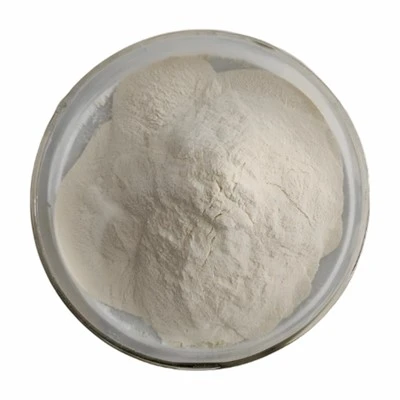
If you’re a food maker reading this, I know you’re balancing a lot: shelf life, safety, consistency, and most importantly, taste. Acidity regulators don’t have to be a mystery, or something to fear. They’re a precision tool, like a chef’s knife or a mixer. When used right, they can turn a good product into a great one—keeping your flavor consistent, safe, and delicious, even when it’s on a shelf far from your kitchen.
Preservatives If you’re looking to adjust your product’s pH, perfect your flavor profile, or just learn more about how acidity regulators can work for you, I’m here to help. Whether you’re a small craft producer or a large-scale manufacturer, I can walk you through the right regulators for your recipe, the correct amounts, and how to balance function with taste to make your product stand out. Don’t let the myths around acidity regulators hold your food back—let’s talk about what they can do for your brand.
References
- Food and Agriculture Organization of the United Nations. (2021). Acidity Regulators in Food: Safety and Applications. Rome: FAO.
- U.S. Food and Drug Administration. (2022). GRAS Notices for Food Additives: Acidity Regulators. Silver Spring, MD: FDA.
- European Food Safety Authority. (2020). Safety Assessment of Acidity Regulators Used in Plant-Based Foods. Parma, Italy: EFSA Journal.
- Baines, D. A., & Morris, G. J. (2017). Handbook of Food Additives. CRC Press.
- Clarke, R. J. (2019). pH Adjustment in Food Processing: Impact on Flavor and Shelf Life. Journal of Food Science and Technology, 56(3), 1124-1135.
Qingdao Longfeng Chemical Co., Ltd.
With abundant experience, we are one of the most professional acidity regulators manufacturers and suppliers in China. We warmly welcome you to buy bulk premium acidity regulators at competitive price from our factory. If you have any enquiry about free sample, please feel free to email us.
Address: B612, NORD PLAZA, NO.328 DUNHUA ROAD, QINGDAO, SHANDONG, CHINA
E-mail: Tony@longfengworld.com
WebSite: https://www.longfeng-chem.com/
