If you’ve ever shopped for living room furniture and walked away thinking, “Nothing here feels quite like what I actually need,” you’re not alone. As a living room furniture supplier who’s worked with hundreds of customers over the past 12 years, I’ve heard that comment more times than I can count. A generic sectional might fit a small apartment, but it won’t hold up to a household with two young kids and a Great Dane. A sleek coffee table might look perfect in a showroom, but it can’t hide the storage you need for board games and blankets. That’s why so many people are turning to custom pieces—designed specifically for their space, lifestyle, and taste. Building custom living room furniture doesn’t have to mean breaking the bank or spending months waiting for a prototype. Today, I’ll walk you through the practical, step-by-step process we use at our shop to bring a custom living room set to life, from the first idea to the last bolt. Living Room Furniture
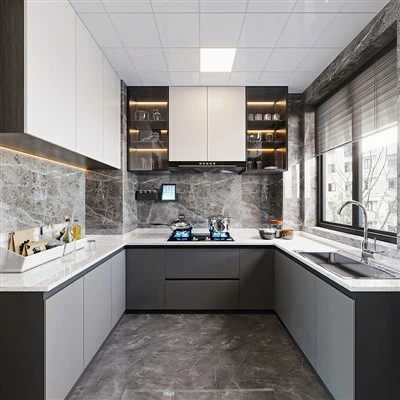
The first rule of building custom furniture is to start with your space—not your Pinterest board. I know, that’s the fun part, but before you start pinning “minimalist sectionals” or “rustic coffee tables,” you need hard numbers. The living room is the hub of your home, so it has to work for your daily routine, not just for Instagram photos. Grab a tape measure and note three key details: the length and width of your walls where furniture will go, the clearance around pieces (aim for at least 30 inches between a sofa and a coffee table, and 42 inches if the room is used for walking through), and any obstacles to work around—like a fireplace hearth, a door that swings inward, or a vent on the floor. Last year, a customer came to us wanting a custom L-shaped sectional, but she’d forgotten that her front door swung into the living room. A pre-built sectional would have fit through the front door, but her custom one would have been too big unless we adjusted the angle. That small detail would have led to a huge headache, so don’t skip this step.
Once you have your measurements, it’s time to define what the furniture will do. Function is everything. For a family of four with two kids and a dog, storage will be non-negotiable. That might mean a sofa with hidden under-seat compartments for toys, a coffee table with lift-top storage for books and remotes, or built-in bookshelves that double as a display for trophies. For empty nesters who host weekly game nights, a modular sofa that can rearrange into a large sectional or two smaller loveseats makes way more sense than a fixed shape. We even had a customer who worked from home part-time—we added a small pull-out desk to the side of her console table, so she didn’t have to sacrifice space in her bedroom. Write down every need, no matter how small: “need to charge my phone on the sofa” (we can add hidden USB ports), “need somewhere to put my wine glasses during dinner” (a console table with built-in glass holders), “my partner has back pain, so the sofa needs extra cushioning.” These small requests are what turn a custom piece into something that feels made just for you.
Next, comes the design phase, which is where most people get excited (and maybe a little overwhelmed). When we work with customers, we don’t just pull designs off a computer screen—we walk through three key choices: material, style, and size. Let’s start with materials, because they determine everything from durability to cost. For sofas, you’ve got three main upholstery options: fabric, leather, and microfiber. Fabric is the most versatile: it comes in every color and pattern, and it’s easy to replace a cushion cover if it gets stained. We recommend performance fabric for households with kids or pets—it’s stain-resistant, water-repellent, and you can wipe it clean with a damp cloth. Leather is classic, ages beautifully, and is super durable—just keep in mind that it’s more prone to scratches from pets, and it will stretch over time. Microfiber is soft and affordable, but it’s less durable for high-traffic areas, and it can attract pet hair more than other fabrics. For coffee tables and accent pieces, solid wood is the most popular choice. Oak is affordable and holds up well, walnut is warm and modern, and pine is great for a rustic, casual look. We also offer engineered wood for customers on a budget—it’s more stable than solid wood, so it won’t warp in humid or dry climates. Style is where you can let your personality shine: if you love modern, clean lines, a low-profile sectional with tapered legs is perfect. If you prefer traditional, a tufted sofa with carved wood arms will fit right in. Just make sure the style matches the rest of your home—you don’t want a sleek modern sofa next to a vintage fireplace with ornate trim.
Once the design is locked in, it’s time to build the frame—and this is where quality matters more than anything. A custom sofa is only as good as its frame, and a cheap frame will fall apart in 5 years. At our shop, we always use solid wood frames—pine, oak, or maple—instead of particleboard or MDF, which can break or warp easily. We build the frame with mortise-and-tenon joints, not just glue and staples, because those joints are 10 times stronger. For the seats, we use high-density foam—2.0 to 2.8 pounds per cubic foot is best, because it’s soft but supportive and won’t sag over time. We also add sinuous springs under the seats instead of webbing, because they’re more responsive and hold up to regular use. For back cushions, we use a combination of foam and fiber, so they’re soft but don’t lose their shape. If you’re building a coffee table, the base should be at least as thick as the top, so it doesn’t tip if you put heavy things on it. We always test every frame before it leaves our shop—we sit on the sofa, push on the table, make sure every joint is tight—because we don’t want to send a piece to a customer that will disappoint them.
Now, the finishing touches are what make the piece feel personal. This is where you can add little details that no pre-built furniture will have. For upholstery, you can choose the thread color—match it to your rug for a cohesive look, or pick a contrasting color to make the sofa a focal point. You can add nailhead trim along the arms, or custom stitching for a unique pattern. For wood pieces, you can choose the stain: light oak, dark walnut, or even a custom color to match your floors. You can add drawers to a console table, or a shelf for plants, or even a cutout on the side to fit your gaming system. We once built a custom entertainment center for a customer who had a 75-inch TV—we measured the TV, the sound bar, the gaming consoles, and even the cables, so everything fit perfectly behind the doors. The customer told us it was the best part of the living room, because he didn’t have to deal with messy cables or a TV that was too small for the space.
Wait a minute, I know what you’re thinking—this sounds like a lot of work. Why not just buy a pre-made piece from a big box store? Let me tell you, there are a few key advantages to building custom, especially when you’re working with a supplier like us. First, it’s tailored to your space. I’ve seen people try to force a 10-foot sectional into a 8-foot living room, and it just doesn’t work. Custom pieces fit exactly, so you don’t waste space. Second, you choose the quality. When you buy a pre-made sofa from a big box store, you don’t know what’s inside—if the frame is particleboard or solid wood, if the foam is high-density or cheap. When we build your custom piece, you pick every material, so you know it will last. Third, it’s unique. Your living room should reflect you—if you love bright colors, you can pick a bold fabric that you won’t find in a showroom. If you have a weirdly shaped nook, we can build a piece that fits that nook exactly, so you don’t have empty space.
That said, there are a few common mistakes people make when building custom furniture, and I want you to avoid them. First, don’t oversize. It’s easy to look at a big showroom and think a larger sofa is better, but if it blocks the door or makes the room feel cramped, it’s not worth it. Stick to your measurements. Second, don’t skimp on materials to save money. A $500 pre-built sofa will cost you more in the long run when it sags after 2 years. Spend a little more on a solid wood frame and high-density foam, and it will last 15 years or more. Third, don’t rush the process. We can build a basic custom sofa in 2 weeks, but if you want custom upholstery or wood details, it might take 4 weeks. Be patient—good furniture takes time. We’ve had customers who tried to rush us, and they ended up with a piece that they weren’t happy with, so we always tell them: take your time, get the details right, and you’ll love it for years.
At the end of the day, custom living room furniture isn’t just about having a piece that fits your space—it’s about having a piece that works for your life. It’s the sofa where you watch movies with your kids, the coffee table where you eat weekend breakfasts, the bookshelf where you display your favorite photos. When we build a custom piece for a customer, we don’t just build furniture—we build a part of their home. That’s why we’ve been in this business for 12 years, and that’s why we still love every project, no matter how big or small.
If you’re ready to stop settling for furniture that doesn’t feel like yours, and start building a custom living room set that fits your space, your lifestyle, and your taste, we’d love to work with you. Whether you have a vague idea of what you want, or you have a clear design in mind, we can walk you through every step, from measurements to finished product. There’s no pressure, no hidden fees, and we’ll make sure every detail is exactly what you want.
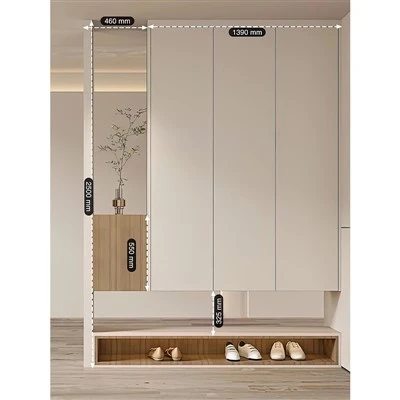
Don’t let another generic piece of living room furniture make your space feel incomplete. Reach out today to start planning your custom project, and let’s build something you’ll love for years to come.
Furniture for Mudroom References:
- Smith, J. (2021). Custom Furniture Design: A Guide for Residential Spaces. Home Furnishing Research Journal.
- Miller, L. (2020). Durability of Living Room Furniture Materials: A Comparative Analysis. Wood and Upholstery Industry Review.
- Thompson, R. (2019). Space Planning for Custom Residential Furniture. Interior Design and Building Practices.
Wenzhou Mu Jia Furniture Co., Ltd.
As one of the most professional living room furniture manufacturers in China, we’re featured by quality products and low price. Please rest assured to buy cheap living room furniture in stock here and get free sample from our factory. We also accept customized orders.
Address: 4th Floor, Building 1, Oufei Intelligent Manufacturing Base, Yongxing Subdistrict, Longwan District, Wenzhou City, Zhejiang Province
E-mail: tao850322@163.com
WebSite: https://www.cnmujia.com/
