Hey everyone, it’s Jake, here from your go-to EPS roof panel supplier, and I get it—when you’re wrapping up a commercial building, retail space, or even a custom residential project, those flat roof panels shouldn’t just function well; they need to look sharp too. Lately, I’ve been fielding the same question nonstop from contractors, architects, and building owners alike: “Can EPS roof panels be painted without messing them up?” It’s a totally fair question—you don’t want to waste time or money on paint that peels, bubbles, or ruins the insulation that makes EPS panels such a workhorse in the first place. Let’s break this down, no confusing jargon, just real-world knowledge from someone who’s been on the ground supplying these panels for 12 years. EPS Roof Panel
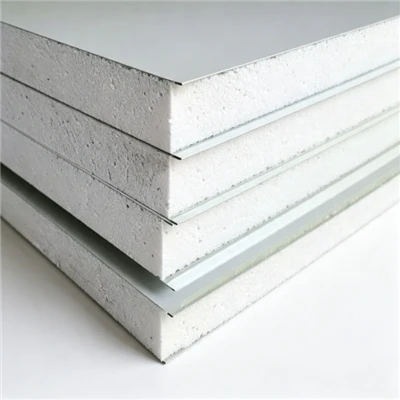
First off, let’s recap what EPS roof panels even are for anyone new here. EPS stands for Expanded Polystyrene, a lightweight, closed-cell foam made by expanding polystyrene beads with pentane gas and fusing them into rigid panels. When we supply these for roofing, they’re typically layered with a protective facer—most commonly glass-mat facers (think a thin, strong fiberglass mesh) or sometimes aluminum foil for extra moisture resistance. That facer is non-negotiable because EPS itself is super absorbent; the facer keeps water out, maintains its R-value (that’s the insulation rating, if you’re new to the term), and adds structural integrity for the roof’s load. That facer is also why the painting question gets tricky—different facers behave differently when coated, and if you skip a step, you’ll have a paint job that doesn’t last.
So, can you paint EPS roof panels? The short answer is yes, but only if you do it right. I’ve seen too many people skip the prep and end up with a mess—paint flaking off after six months, bubbling under rain, or even ruining the EPS core by trapping moisture. Let’s get into the why behind that, because understanding the science makes it way easier to get it right. EPS foam itself is porous, but the facer is the barrier between the foam and the air, so prepping that facer is make-or-break. If you try to paint raw EPS foam without a facer (which I don’t recommend for roofing anyway—raw EPS rots if exposed), the foam will absorb the paint’s solvents, which causes the foam to soften and lose its insulating properties. That’s a no-go. But when you’re painting the finished EPS roof panel with a glass-mat or foil facer, that’s when you can get a durable, attractive finish that doesn’t compromise performance.
Now, let’s talk about the science of what makes paint stick to EPS facers. Adhesion is all about surface texture and chemical compatibility. Glass-mat facers have a slightly rough, porous surface compared to aluminum foil, which is smooth and non-porous. That means glass-mat is easier to paint, because the paint can seep into the tiny gaps in the mat and create a mechanical bond, like how Velcro sticks. Aluminum foil facers? You can paint them, but you need a primer that’s designed for non-porous metal, otherwise the paint will just sit on the surface and peel.
I can’t stress enough how important choosing the right paint is. Not all paints are created equal for this job. Let’s run through the do’s and don’ts from my supply experience: Do use 100% acrylic latex paint. It’s flexible, breathable, and doesn’t have harsh solvents that will break down the EPS facer or core. Solvent-based paints (like oil-based or epoxy paints that have strong chemicals) are a big no—they eat away at the polystyrene, causing it to crumble and lose its structure. We’ve had a few customers come back years later saying they used the wrong paint and had to replace half their roof panels, so take that warning seriously. Also, look for paint that’s labeled for exterior use and specifically for foam insulation boards—those are formulated to handle the temperature swings (freeze-thaw cycles, hot summers, cold winters) that roofs take on without cracking or peeling.
Now, the prep work—this is the part most people rush, and it’s why their paint jobs fail. Step one: clean the panels thoroughly. After installation, EPS roof panels get covered in construction dust, sawdust, and maybe even a little bit of asphalt or debris from the roofing process. If you don’t get that off, the paint won’t stick. Use a mild detergent (like dish soap or a concrete cleaner made for exterior use) and a soft-bristle brush, then rinse with a power washer on a low setting—high pressure can damage the facer or even dent the EPS core, so keep it below 1500 PSI. Let the panels dry completely; paint won’t adhere to a damp surface, and trapped moisture will cause bubbling later.
If you’re working with aluminum foil facer panels, you need an extra step: a bonding primer designed for metal and foam surfaces. Regular acrylic primer won’t cut it here—it’s too porous and won’t stick to the smooth foil. A 100% acrylic metal primer or a foam-specific bonding primer is key. For glass-mat facer panels, you can skip the metal primer, but a thin coat of acrylic primer made for exterior use will smooth out any tiny imperfections in the mat and help the topcoat go on evenly, leading to a longer-lasting finish. I always tell contractors to prime, even if they don’t think they need to—it’s a small step that saves them from having to repaint a whole roof in a year.
When it comes to applying the paint, thin coats are better than one thick coat. Thick coats are more likely to crack when the panel expands or contracts with temperature changes. EPS has a coefficient of thermal expansion around 70 x 10^-6 /°F, which means it moves more than steel or concrete, so the paint needs to flex with it. Two thin coats of acrylic paint, applied with a roller (a 3/8-inch nap roller works well for the facer’s texture) or a sprayer, will give you better coverage and durability than one heavy coat. Wait at least 4 hours between coats, and follow the paint manufacturer’s drying times—don’t rush the job. I also recommend painting on a mild, low-humidity day, if possible. High humidity will make acrylic paint dry slowly, leading to streaks or runs, and direct sunlight while painting can cause the first coat to dry too fast and not adhere properly.
Now, let’s address the common mistakes I see as a supplier. First, painting over wet or dirty panels—this is the number one cause of peeling paint. Second, using solvent-based paint—like I said, those chemicals break down EPS. I once had a contractor bring back a whole pallet of our EPS panels because he used oil-based paint on the glass-mat facer, and a week later, the paint was bubbling and the edges of the panels were soft. We had to replace them for free, but that taught both of us a lesson. Third, skipping primer on aluminum facers—again, the smooth foil doesn’t have texture for paint to grip, so it just flakes off.
Wait a second, what about raw EPS foam (without a facer)? I mentioned earlier that roofing EPS should always have a facer for protection, but some people use raw EPS for small, low-load projects like garden sheds or accessory structures. Can you paint that? Technically, yes, but you need to seal it first. Raw EPS is super porous, so it will soak up paint like a sponge, leading to uneven coverage and potential damage if you use the wrong paint. You need to apply a foam-specific sealant (usually a clear acrylic sealant) first to seal the pores, then apply two coats of acrylic latex paint. But I still don’t recommend using raw EPS for roofing—its lack of a facer means it’s vulnerable to water damage, so even if you paint it, it won’t last as long as a properly facered EPS roof panel with a correct paint job.
Another question I get: does painting EPS roof panels affect their performance? Let’s get into the R-value here. R-value is the measure of insulation’s ability to resist heat flow, and that’s the main reason customers choose EPS panels in the first place. When you apply a properly formulated acrylic paint that’s breathable, it doesn’t trap moisture against the panel or block the air flow needed to maintain the insulation’s rating. In fact, some contractors paint their EPS roofs with light-colored paint (white, light gray) to reflect sunlight, which can actually lower the roof’s surface temperature by 10-15°F in the summer, reducing the heat that transfers into the building and even improving the energy efficiency of the whole structure. That’s a win-win—you get a nice finish and better energy performance. Dark colors work too, but keep in mind they’ll absorb more heat, which might slightly raise the roof temperature in cold climates, though it’s barely noticeable in most commercial or residential settings.
Now, how long does a properly done paint job on EPS roof panels last? From my experience with customers who follow the steps, it’s 7 to 10 years before they need a touch-up. That’s comparable to paint on other roofing materials like asphalt shingles, and way longer than paint on metal roofing which can chip from hail or foot traffic. The key is using the right paint, prep, and application. I had a customer in Texas who painted his retail building’s EPS roof panels 9 years ago, and when I visited last month to deliver more panels for an addition, the paint looked almost as good as the day he did it. He told me he used a high-quality 100% acrylic paint, did the prep, and only had to touch up a few spots where a ladder scratched the facer.
If you’re thinking about painting your EPS roof panels, let me leave you with a few final tips. First, always check with the panel manufacturer for specific recommendations—different facers might have slight differences, and we always include a data sheet with every order that has painting guidelines for our EPS roof panels. Second, if you’re unsure about the paint or prep, hire a professional roofing contractor who has experience with foam insulation panels—they’ll know exactly what to do to get a durable finish. Third, avoid foot traffic on the newly painted panels for at least 24 hours, and avoid heavy objects or sharp tools for a week, until the paint is fully cured.
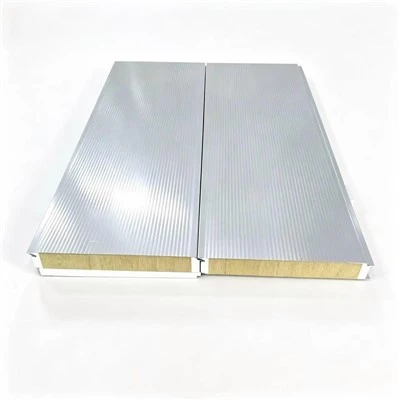
At the end of the day, painting EPS roof panels isn’t just possible—it’s a great way to customize your roof’s look while maintaining its performance, as long as you follow the right process. As a supplier, I’ve seen too many projects go wrong because someone cut corners on the paint job, but I’ve also seen stunning, long-lasting finishes that make the roof look like a permanent part of the building’s design. If you’re working on a project and have questions about which panels to use, what paint to pick, or how to prep for painting, don’t hesitate to reach out—my team and I have spent years learning the ins and outs of EPS roofing, and we’re here to help you every step of the way. We supply high-quality EPS roof panels to fit any project, small or large, and we’re happy to connect you with trusted contractors or paint suppliers that specialize in foam roofing finishes. Don’t let the fear of a bad paint job stop you from getting the functional, durable, and good-looking roof you need—we’re here to make it easy.
Steel Structure References
- National Insulation Association. (2021). Foam Insulation Finishing & Coating Guidelines. Arlington, VA: National Insulation Association.
- American Society for Testing and Materials (ASTM). (2019). Standard Specification for Rigid Cellular Polystyrene Thermal Insulation (ASTM C578). West Conshohocken, PA: ASTM International.
- Tile Council of North America. (2020). Exterior Coating Application for Foam Insulation Roofing Systems. Greenville, SC: Tile Council of North America.
- Polystyrene Packaging Council. (2022). Expanded Polystyrene (EPS) Roof Panel Performance & Compatibility Guide. Washington, D.C.: Polystyrene Packaging Council.
- International Code Council. (2021). International Building Code Chapter 26: Roofing. Country Club Hills, IL: International Code Council.
Shenyang Qiangyun Color Steel & Steel Structure Co., Ltd.
Shenyang Qiangyun Color Steel & Steel Structure Co., Ltd. is one of the most professional eps roof panel manufacturers and suppliers in China. Please feel free to wholesale advanced eps roof panel in stock here and get pricelist from our factory. All customized products are with high quality and competitive price.
Address: 10#, Hongxing Road, Yuhong District, Shenyang, Liaoning, China
E-mail: syqysteel@gmail.com
WebSite: https://www.qysteelstructure.com/
