Hey there, Fit-out Panel
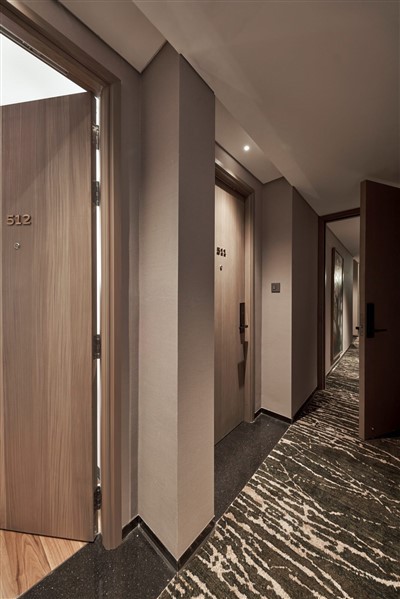
So you’re probably here because you’re either upgrading your office space, designing a new café, or just curious about the stuff that lines those interior walls and ceilings. Let’s cut to the chase: when it comes to fit-out panels, everyone’s talking about “eco-friendly” like it’s just another buzzword. But as a fit-out panel supplier—someone who’s been dealing with these things day in and day out, fielding questions from architects, contractors, and even small business owners—let me tell you, it’s way more complicated than a yes or no. Spoiler: it depends on which panels you pick, and a lot of people get this wrong.
First, let’s get one thing straight: not all fit-out panels are created equal. I see this all the time—clients come in saying “I want green panels” and point to a cheap, thin particleboard option that’s coated in some fancy-sounding paint. That’s not eco-friendly, that’s just marketing. Let’s break down what actually makes a panel eco-friendly, not what brands put on their website to get a sale.
Start with the materials. The base of most fit-out panels is usually wood fiber, right? But where does that wood come from? If it’s from FSC-certified forests—meaning the trees are cut down sustainably, new ones are planted to replace them, and the whole ecosystem isn’t messed up—then that’s a huge win. But a lot of cheaper panels use what’s called “post-consumer wood waste” too. Wait, that’s old pallets, leftover lumber from construction sites, even discarded furniture that’s been chipped down and repurposed. That’s way better than making new panels from virgin wood, because you’re diverting waste from landfills instead of clearing more trees. I worked on a project last year where we used 100% post-consumer wood fiber for wall panels in a co-working space—their waste bill dropped by like 15% just from that, plus their LEED points went through the roof. Nice double win.
Then there’s the stuff that binds those wood fibers together. This is where a lot of hidden problems happen. A decade ago, almost all panels used formaldehyde-based glues. Formaldehyde’s a volatile organic compound (VOC) that off-gasses for years, makes your office smell weird, and isn’t great for your lungs. We still get customers asking for cheap panels that use this stuff, and we have to turn ‘em down. No way we’re selling something that’s gonna make someone’s workday feel like being in a new car stuck in the sun. These days, most good eco-panels use low-VOC or no-VOC binders—things like soy-based resins, or even bio-adhesives made from plant starches. I tested a batch last quarter that used mushroom-based mycelium as a binder. Yep, mushrooms. It’s wild, it works, and there’s zero toxic off-gassing. That’s the kind of innovation I get excited about.
Next up: what happens when the panel’s life is over. A lot of people forget this part—sustainability isn’t just about making the panel, it’s about what you do with it when you don’t need it anymore. If your panels end up in a landfill, they’re just adding to trash, even if they’re made from wood. But if they’re recyclable or compostable? That’s a game-changer. I’ve seen some panels now that are fully curbside recyclable, because the glue and the fiber can be broken down and made into new panels or other wood products. And there are even compostable ones that, when they’re done, you can toss ‘em in a commercial compost bin and they’ll turn into dirt in like a few months. That’s way better than the old days where you’d have to dump panels in a construction landfill that’s been piling up stuff for decades.
Wait, but hold on—let’s talk about the other side. There are some fit-out panels that people think are eco-friendly, but they’re actually not. Like those vinyl or PVC panels that are super popular for their cheap price and easy installation. PVC is a plastic, it doesn’t biodegrade, and when you make it, it releases all kinds of toxic chemicals that are bad for workers and the environment. Plus, when you finally get rid of PVC panels, they sit in a landfill for hundreds of years. I had a client last year who switched from our wood-based panels to PVC to save a few bucks, and three years later they were ripping it out because it scratched so easy and started peeling. Talk about a false economy. They ended up spending way more than if they’d gone with the eco-friendly option in the first place.
Another big one: energy use in manufacturing. A panel could be made from the most sustainable materials on the planet, but if the factory that made it runs on coal and wastes tons of water, that’s killing its green cred. All our panels come from factories that run on 100% renewable energy—solar and wind—and they recycle like 90% of the water they use in production. That’s part of the reason we don’t cut corners, even if our panels cost a bit more upfront. We tell clients up front: yes, you’ll pay a little extra, but you’ll save on maintenance, you’ll get better indoor air quality, and when you’re done with them, you won’t have to pay to haul them to a toxic landfill. It adds up.
I also wanna talk about indoor air quality, because that’s not just a “nice to have”—it’s a health thing. A lot of studies show that poor indoor air quality from building materials makes people more tired, gives them headaches, even affects their productivity. I’ve had office managers come to me saying their staff complained about being stuffy all day, and we swapped out their old panels for low-VOC ones, and within a week people stopped mentioning it. That’s not just eco-friendly—that’s good for the people using the space every single day. Sustainability isn’t just about the planet, right? It’s about the humans too.
Now, let’s get real about the myths. I hear so many people say “eco-panels are way more expensive.” Yeah, sometimes they are—upfront. But let’s do the math. Cheaper panels might cost you less now, but if they’re low-quality, they’ll scratch, fade, or start falling apart in 5 years. Good eco-panels can last 20, 30 years with basic maintenance. Plus, if you qualify for green building incentives—like tax breaks or grants for sustainable renovations—you can offset that cost. I work with a lot of small business owners who thought they couldn’t afford eco-panels, but after checking their local government’s green programs, they ended up paying almost the same as they would for cheap panels. It’s all about knowing where to look.
Another myth: “all wood is bad.” No, really. Responsible forestry is actually a net positive for carbon. Trees absorb CO2 as they grow, and if you harvest them sustainably, you’re not cutting down old-growth forests that take centuries to mature. The carbon stays locked in the wood panel for as long as it’s in use—way better than if the tree had rotted or been burned and released that CO2 back into the air. That’s called carbon sequestration, and it’s a big part of why wood-based materials are actually considered better for the climate than plastic or metal alternatives. I tell clients all the time: if you’re using panels that keep that carbon locked up, you’re helping fight climate change, not contributing to it.
Wait, let’s talk about waste reduction too. Installation waste is a huge hidden cost and environmental issue. A lot of panels come cut to exact sizes now, so there’s barely any leftover pieces. I’ve had contractors tell me that when they use our pre-cut panels, their on-site waste goes down by 30-40% because they don’t have to trim big sheets and throw half away. That’s less trash going to landfills, less time spent cleaning up on the job, and less money wasted on extra materials. It’s a win across the board.
So, what’s the takeaway here? Fit-out panels can be eco-friendly—if you know what to look for. It’s not just the label that says “green” on the box. You need to check where the materials come from, what binds them together, how the panel will be disposed of at the end of its life, and how the whole manufacturing process impacts the planet and people.
At the end of the day, I see too many brands slapping “eco-friendly” on any product to make a buck, and that’s bullshit. I’ve been in this industry for 12 years, and I’ve stuck to selling only panels that I’d put in my own house. That means no formaldehyde, no bad chemicals, sustainable materials, and a plan for when the panel’s done.
If you’re in the market for fit-out panels, whether it’s for an office, a retail space, or a home renovation, don’t just go with the cheapest option or the one with the flashiest marketing. Ask questions. Where’d the wood come from? Is the glue toxic? Can this be recycled or composted? And if a supplier gets defensive or can’t answer those questions, walk away.
I get that sustainability can feel overwhelming, like there’s no perfect answer. But small choices add up. Picking the right fit-out panel isn’t just about making your space look good—it’s about making a difference, one wall at a time.
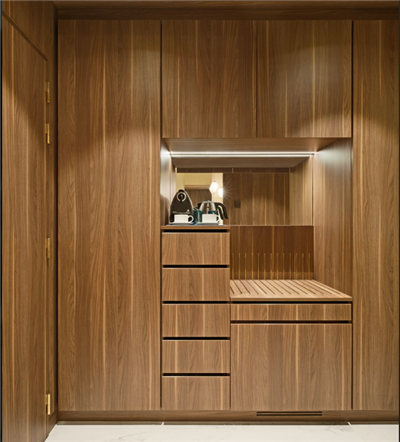
If you’re ready to chat about your project, need samples, or just wanna geek out about sustainable building materials, hit me up. Let’s work together to build spaces that are good for people and good for the planet.
Hotel Fit-out Seating References:
- US Green Building Council. (2022). Indoor Air Quality Assessment Guidelines for Commercial Interiors.
- Forest Stewardship Council. (2023). Global Sustainable Forestry Report.
- European Chemical Agency. (2021). VOC Emission Limits for Construction Products.
- International Association of Plumbing and Mechanical Officials. (2022). Circular Economy in Construction: End-of-Life Management for Building Materials.
- World Resources Institute. (2023). Carbon Sequestration Potential of Wood-Based Building Materials.
JM Wood Trading Limited
As one of the most professional fit-out panel manufacturers and suppliers in China, we also support customized service. Please feel free to wholesale cheap fit-out panel for sale here from our factory. For price consultation, contact us.
Address: Room 1802, No. 2nd, Kexing Road, Baiyun District, Guangzhou, Guangdong Province, China
E-mail: sq@jiameiwood.com
WebSite: https://www.jiameiwood.com/
